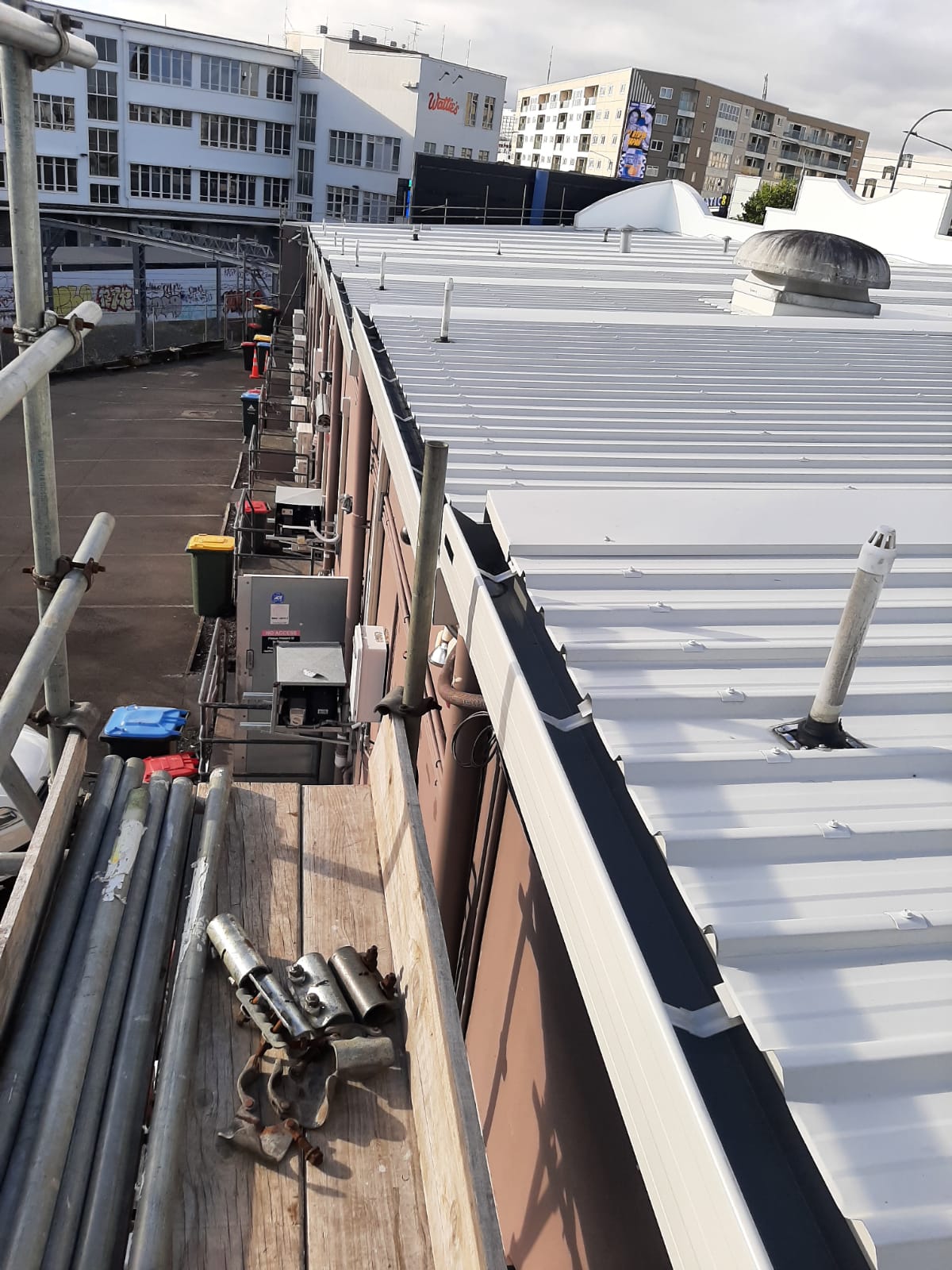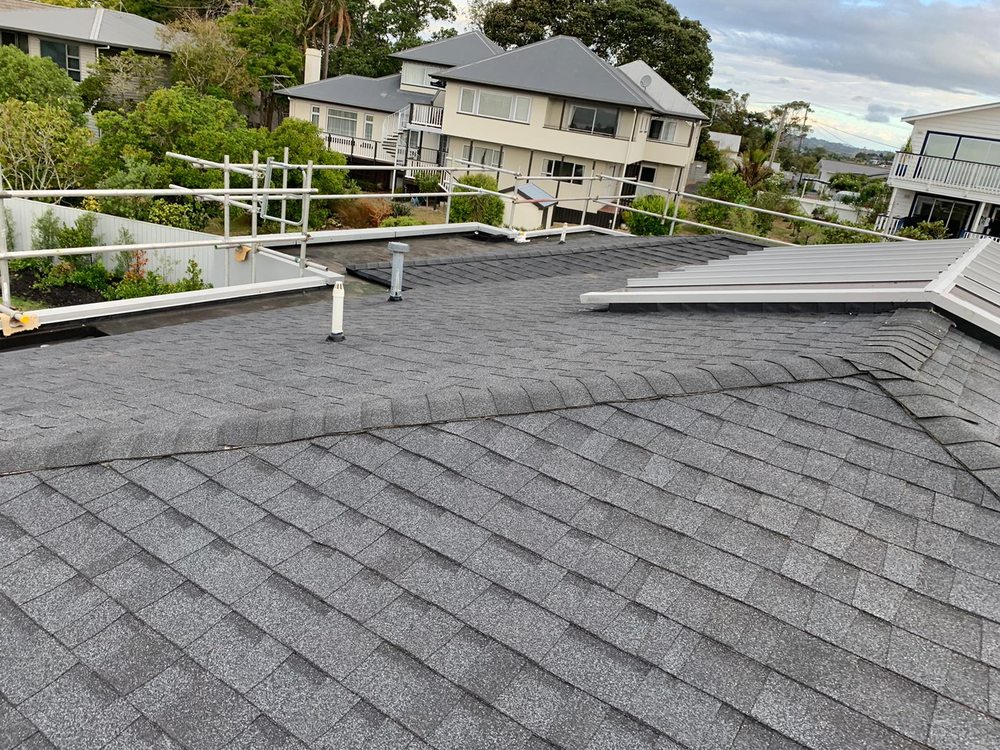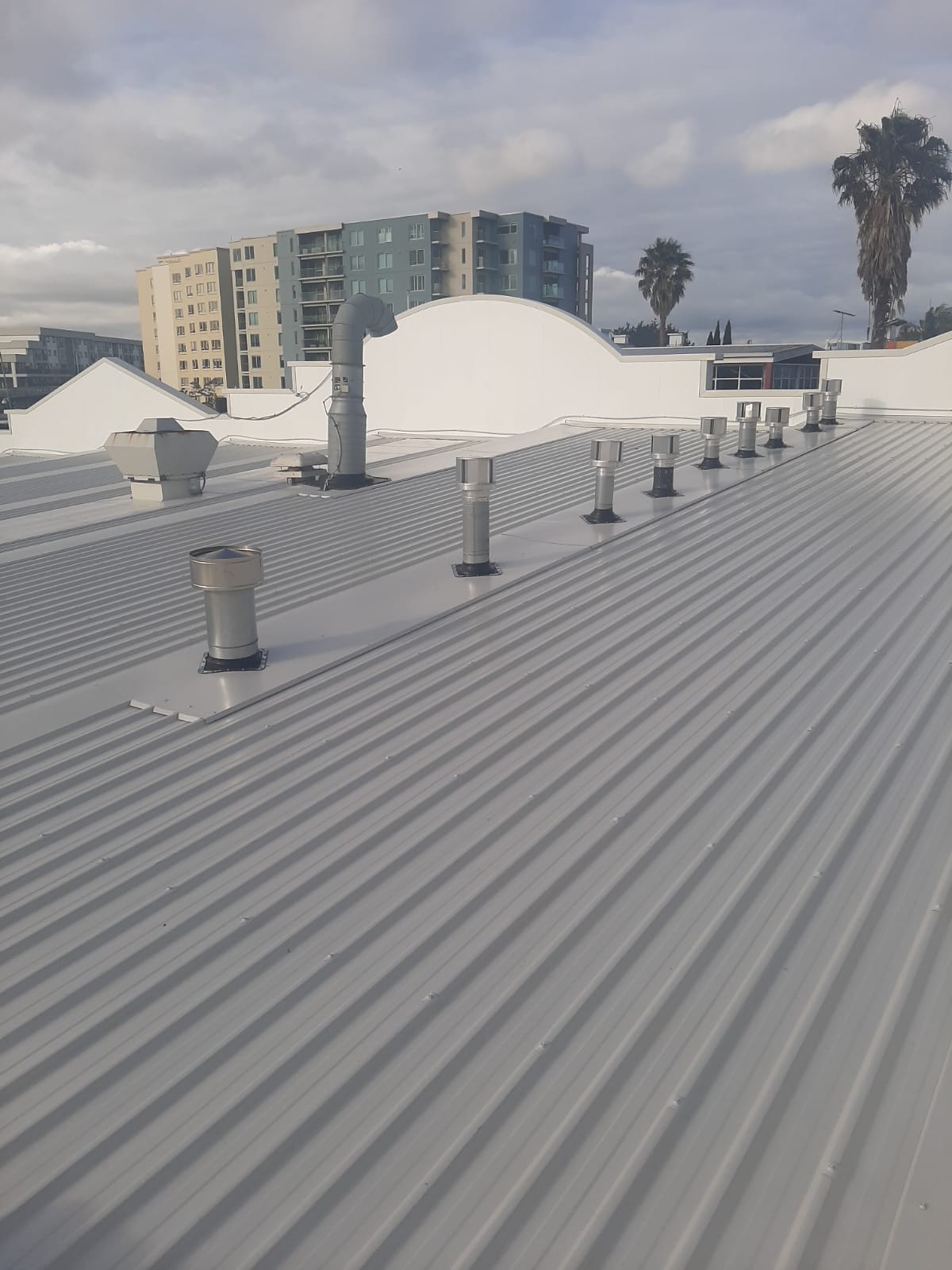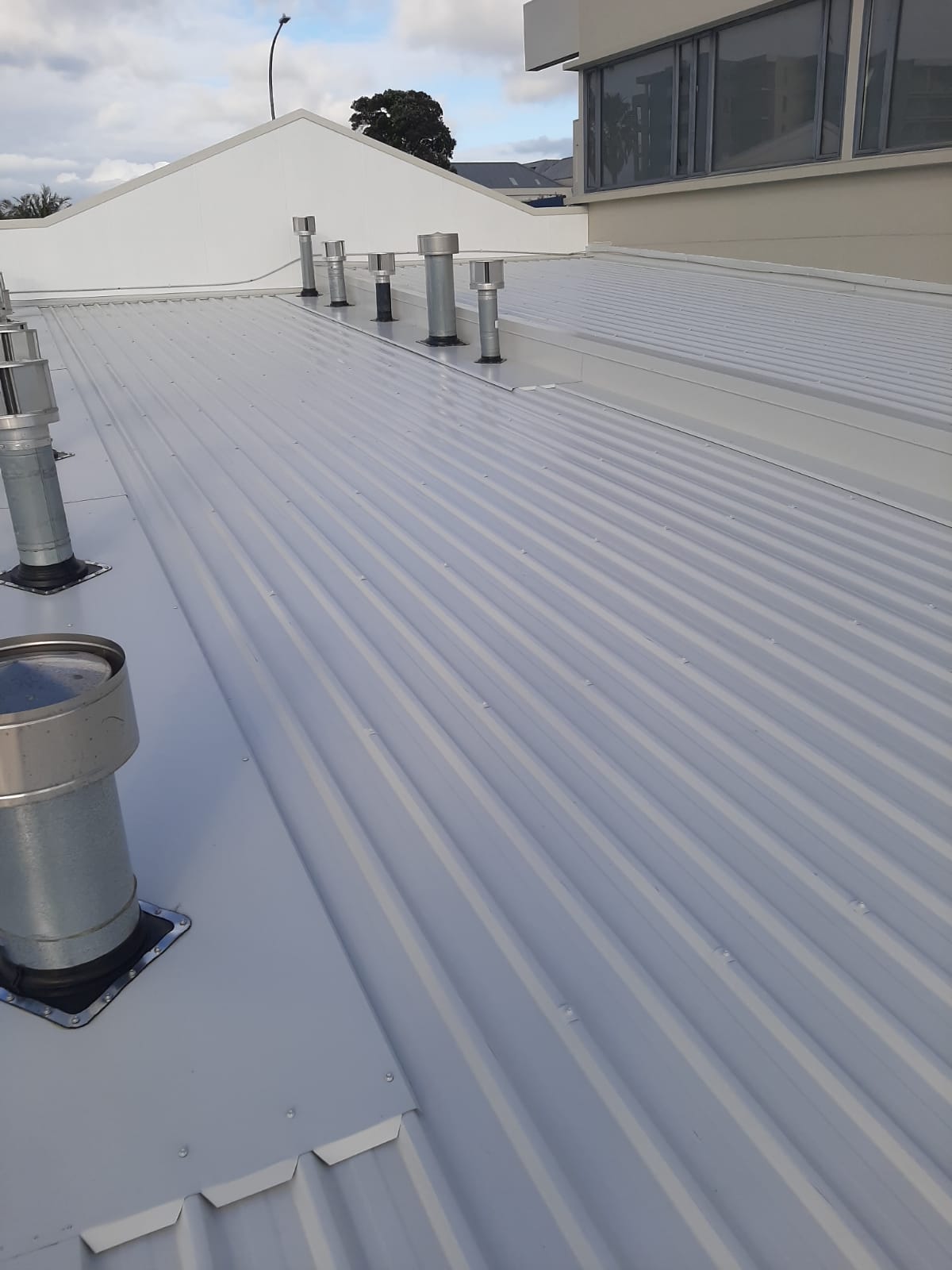
A Colorsteel long-run steel roof typically costs $15,000–$30,000 installed for a full re-roof on an average New Zealand home, working out to roughly $90–$180 per square metre. It's the most popular re-roof material in NZ, and where your job lands in that range depends mainly on roof size, pitch, access, and the condition of what's underneath. Below we break down exactly what drives the price, how long a Colorsteel roof lasts, how long the job takes, and what NZ's consent rules actually require.
What Is Colorsteel / Long-Run Steel?
"Colorsteel" is a well-known brand of pre-painted steel roofing (made by New Zealand Steel) that's become shorthand for long-run steel roofing generally, in the same way "Jet Ski" gets used for any personal watercraft. Long-run steel comes in continuous sheets run to the length of your roof, usually in a corrugated or trapezoidal ("trough") profile, fixed down over purlins and a roofing underlay.
It's different from standard corrugated iron in two main ways: the steel itself is usually a heavier base metal with a more durable paint and coating system, and the sheets are cut to length on site or pre-ordered to exact roof dimensions, which means far fewer end-laps and a cleaner, more weathertight finish than older corrugated roofing.
Within long-run steel there are a few common profile families: traditional corrugated (the familiar rounded wave profile, still popular for a classic Kiwi look), trapezoidal or "trough" profiles (flatter pans with crisp ribs, common on modern builds), and standing-seam profiles (concealed fixings for a premium, fully flush finish). Profile choice is mostly aesthetic and doesn't move the price much on its own — coating system, roof complexity and access matter far more to the final number.
Repair or Full Re-Roof?
Not every ageing roof needs a full re-roof. If the steel itself is still structurally sound and the problems are limited to a handful of rusted fasteners, a cracked ridge flashing, or one or two leaking laps, a targeted roof repair is usually far cheaper and can buy several more years of service. A full re-roof becomes the right call once rust has gone through the steel in multiple places, the roof is leaking in more than one area, the existing roof is at or past its coating's expected life, or you're changing material or profile entirely. A roofer who inspects the roof in person — not just from photos — is the only reliable way to tell which situation you're in.
Colorsteel Roof Cost by Roof Size (2026)
| Roof Size | Cost per m² (supply & install) | Typical Full Re-Roof Cost |
|---|---|---|
| Small (∼100m²) | $90–$140/m² | $9,000–$14,000 |
| Medium (∼200m²) | $100–$160/m² | $20,000–$32,000 |
| Large (∼300m²+) | $110–$180/m² | $33,000–$54,000 |
Note: These are indicative installed-cost ranges only, including tear-off and disposal of the old roof. Your final quote will depend on roof size, pitch, access, the number of roof planes, and the profile and coating you choose. The commonly quoted "$15,000–$30,000" figure applies to a typical mid-size home.
What Affects the Price?
Roof Pitch
Steeper roofs are slower and riskier to work on safely, which increases labour time and often requires additional safety equipment. A simple low-pitch roof will generally cost less per square metre than a steep, multi-gabled one of the same area.
Access & Scaffolding
Two-storey homes, tight sites, and roofs that can't be reached easily by truck all add scaffolding and handling time. Scaffolding is usually priced separately from the roofing itself, so ask your installer whether it's included in their quote.
Tear-Off & Disposal of the Old Roof
Removing and disposing of the existing roofing adds labour and tip fees, and costs more again if the old roof turns out to contain asbestos (common under older decramastic and some tile roofs — see our guide to identifying asbestos roofing). If you're not sure what's currently on your roof, it's worth checking before you budget for a straightforward tear-off.
Coastal & Marine Exposure
Homes close to the coast need a roofing product and coating system genuinely rated for that level of salt exposure, otherwise premature corrosion can cut years off the roof's life. A reputable installer will confirm the right specification for your exact site — if you're near the coast, make sure this is discussed before you sign off on a quote.
Number of Roof Planes & Flashings
A simple rectangular roof with one or two planes is quick to sheet and flash. Hips, valleys, dormers, skylights and multiple roof pitches all add cutting, flashing and sealing work, and each junction is also a potential future leak point if it isn't detailed properly — so this is an area where paying for an experienced installer genuinely matters.
Guttering & Spouting
A re-roof is also the most cost-effective time to replace tired spouting and downpipes, since the scaffolding and access are already paid for. It's worth asking your roofer for a combined quote rather than doing the two jobs separately down the track.
How Long Does a Colorsteel Roof Last?
Most manufacturers back long-run steel roofing with decades-long performance warranties, commonly in the 20–30+ year range depending on the profile and coating system used, and many well-maintained roofs perform well beyond that. Lifespan depends heavily on getting the right coating specification for your site (see coastal exposure above) and on general maintenance, like keeping gutters and valleys clear and dealing with scratches or scuffs before they become a corrosion point.
How Long Does a Re-Roof Take?
On an average New Zealand home, a straightforward Colorsteel re-roof is usually a matter of days once scaffolding is up and materials are on site, weather permitting. Jobs get longer with larger or more complex roofs, multiple roof planes, structural timber repairs underneath, or runs of bad weather — your installer should be able to give you a realistic timeframe once they've seen the roof in person.
Do I Need Consent to Re-Roof?
In general, a like-for-like re-roof — replacing existing roofing with the same type of material over the same roof structure — is usually exempt from building consent in New Zealand. Changing the roofing material (for example, switching from tile to steel), altering the roof structure, or adding significant weight will usually require consent, since it can affect the building's structural loading and weathertightness design.
Exemption rules can have exceptions depending on your specific property, so the only reliable way to know for certain is to confirm directly with your local council before work begins. A good roofing contractor will flag if your job looks like it needs consent, but the council's Building Consent Authority has the final say.
What to Expect From a Professional Re-Roof
A well-run re-roof generally follows the same sequence regardless of material: an on-site inspection and written quote, scaffolding or edge protection going up, careful removal and disposal of the old roofing, repair of any rotten or damaged timber the tear-off exposes, a new roofing underlay, the new steel sheets and flashings installed and sealed, a final wash-down, and a walk-through so you know what warranty applies to the materials and the workmanship. Ask any roofer you're considering to confirm each of these steps is actually included in their written quote, not assumed.
FAQ
Installed Colorsteel long-run steel roofing typically costs $90–$180 per square metre in New Zealand, which works out to roughly $15,000–$30,000 for a full re-roof on an average home. The exact figure depends on roof size, pitch, access, the condition of what's underneath, and the profile and coating you choose.
Most manufacturers back long-run steel roofing with decades-long performance warranties, commonly in the 20–30+ year range depending on the profile and coating system, and well-maintained roofs regularly perform well beyond that. Coastal or marine sites need the right coating specification to hit those numbers, so it's worth confirming the spec for your exact location before you commit.
A straightforward re-roof on an average New Zealand home is usually a matter of days rather than weeks once scaffolding is up, though this depends heavily on roof size, complexity, and the weather. Jobs with structural repairs underneath, multiple roof planes, or difficult access will naturally take longer.
A like-for-like re-roof — replacing an existing metal roof with the same type of roofing in the same structure — is usually exempt from building consent in New Zealand. Changing the roofing material, altering the roof structure, or adding significant weight usually does require consent, and exemption rules can have exceptions, so always confirm the current requirements with your local council before work begins.
Get an Accurate Quote
The only way to get a precise price for your home is a site visit — roof size, pitch and access all change the final number. We provide free, no-obligation quotes across Auckland for full roof replacement, and if your current roof just needs patching rather than a full re-roof, see our roof repair page instead.
Call us on 022 196 9021 or fill out our quote form and we'll be in touch within 24 hours.
Need a Roofing Professional?
Get a free, no-obligation quote from OneRoofing. We service all of Auckland, from the North Shore to South Auckland.