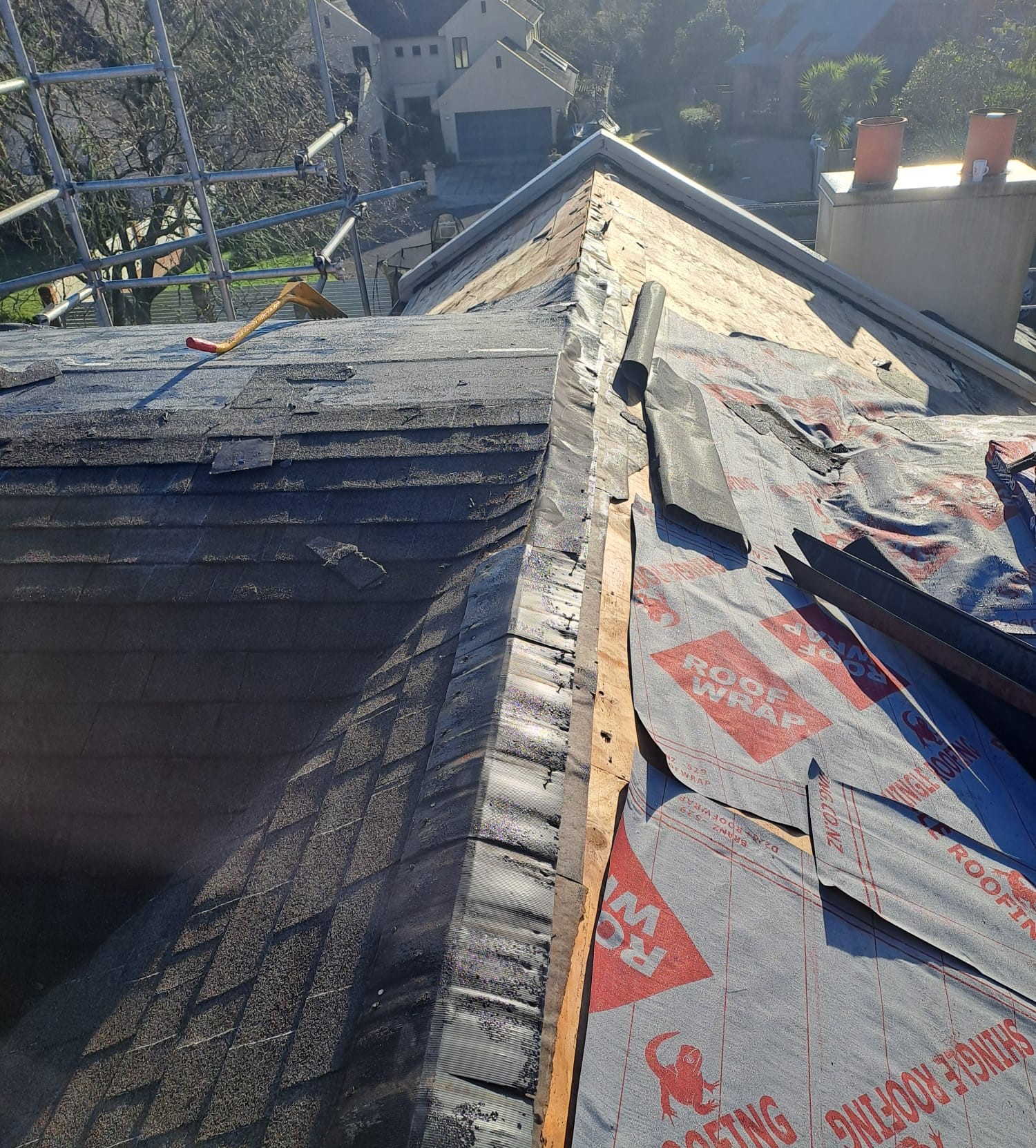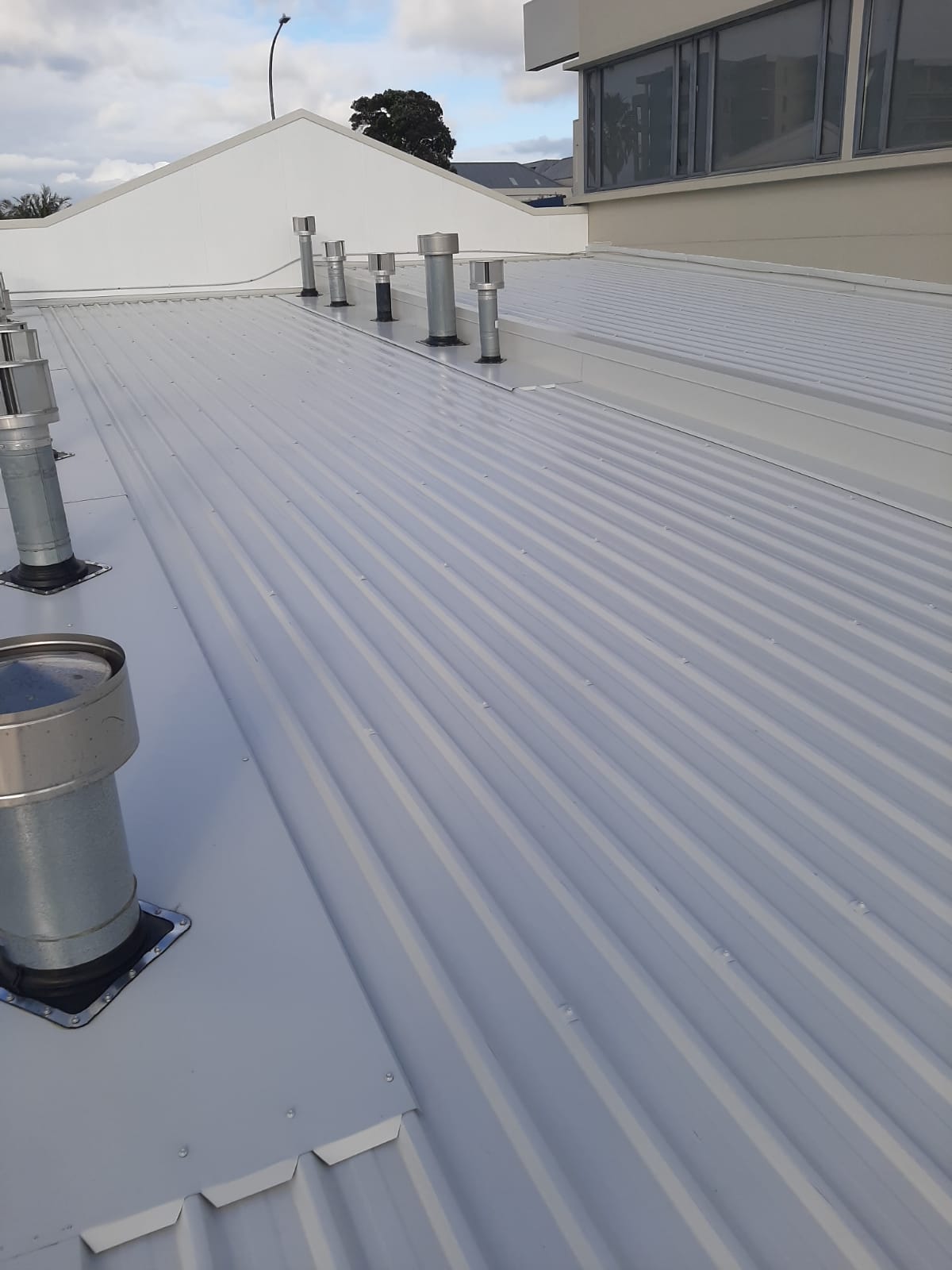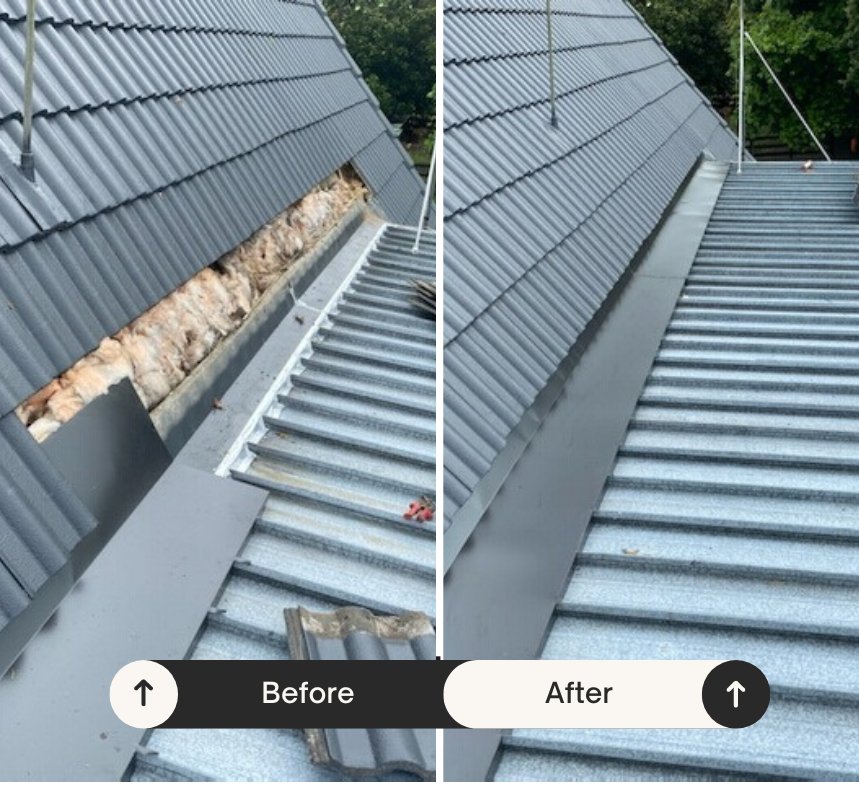
A minor roof leak, such as a popped nail or a small sealant failure, is often a straightforward and inexpensive fix. A moderate leak involving a valley or flashing repair costs more, and major storm damage affecting a larger area of roof — or requiring emergency tarping and structural work — sits at the top end of the range. The real number always depends on the cause, your roof material, access, and how much damage has already occurred, so a proper site assessment is the only way to get an accurate price.
Roof Leak Repair Cost by Severity
Because "a leak" can mean anything from a single loose fastener to a storm tearing off a section of roofing, cost varies enormously by scale. Here's a realistic breakdown:
| Severity | Typical Cause | What's Involved |
|---|---|---|
| Minor | Popped nail, small sealant or flashing failure, single cracked tile | Quick, targeted fix — usually resolved in one visit |
| Moderate | Valley or ridge flashing replacement, a localised section of failed roofing | More material and labour, may need a half-day on site |
| Major / Storm Damage | Wind-lifted roofing, fallen debris, widespread flashing failure | Emergency tarping, structural checks, and a larger repair or partial re-roof |
These are general bands, not a quote — the only way to get an accurate number for your roof is a site visit. See our roof repair service for a free assessment.
What to Do Immediately After Storm Damage
What you do in the first few hours after storm damage affects both how much worse it gets and how smoothly any insurance claim goes. In order:
- Stay safe. Keep everyone away from the damaged area and do not go onto the roof yourself, especially in wet or windy conditions.
- Contain water ingress. If it's safe to do so, use buckets or a tarp inside to catch water and move anything valuable out of the way.
- Photograph the damage. Take photos from the ground before anything is touched, moved or cleaned up — this matters for your insurance claim.
- Notify your insurer. Contact your insurance company as soon as possible to start the claims process.
- Call a professional for an emergency assessment. A licensed roofer can assess the damage and apply temporary weatherproofing to stop things getting worse while a permanent repair is arranged.
- Get a written report before permanent repairs begin. A written quote or damage report supports your insurance claim and protects you if there's any dispute later.
Does Insurance Cover Roof Leaks?
In general, most home insurance policies cover sudden, accidental damage — a storm, a falling tree branch, wind-lifted roofing — but gradual wear-and-tear or damage from long-neglected maintenance is typically excluded. That said, every policy is different, and the exact wording of your cover determines what is and isn't included. The only reliable way to know where you stand is to check your specific policy and talk to your insurer directly before assuming either way.
How to Start an Insurance Claim for Roof Damage
If you do need to make a claim, a few practical steps make it go more smoothly:
- Document everything — photos of the damage, the date it occurred, and the circumstances (storm, fallen tree, etc.)
- Get a professional assessment in writing — a damage report or quote from a licensed roofer gives your insurer something concrete to work from.
- Contact your insurer promptly — most policies expect you to report damage as soon as reasonably possible.
- Keep your receipts — many policies reimburse reasonable costs for emergency or temporary repairs carried out to prevent further damage while a claim is being processed.
This is general guidance, not a substitute for your insurer's own advice — always confirm the specifics of your claim with them directly.
Can a Small Leak Cause Serious Damage If Left Unrepaired?
Yes, and this is the part people underestimate most. A small, slow leak can quietly rot timber framing, soak roof insulation, and lead to mould growth long before any of it is visible from inside the house. By the time a stain shows up on a ceiling, the damage underneath has often been building for months. Repairing a small leak early is almost always far cheaper than dealing with the rot, insulation replacement and ceiling damage that follows once it's left alone.
Get Emergency Help
If your roof is actively leaking or you've just had storm damage, don't wait. Our emergency roof repair team responds quickly across Auckland, assesses the damage honestly, and gets you weatherproof again fast.
Call us on 022 196 9021 or fill out our quote form and we'll be in touch within 24 hours.
Roof Leak Repair FAQ
A minor leak, such as a popped nail or small sealant failure, is often the cheapest fix. A moderate leak involving a flashing or valley repair costs more, and major storm damage affecting a larger area sits at the top end. The exact cost depends on the cause, roof material, access, and how much damage has already been done — a site assessment is the only way to get an accurate number.
Keep everyone away from the damaged area and don't go onto the roof yourself. If it's safe, contain any water coming inside with buckets or a tarp. Photograph the damage from the ground, notify your insurer, and call a professional roofer for an emergency assessment and temporary weatherproofing before arranging permanent repairs.
Document the damage thoroughly with photos, get a written assessment or report from a professional roofer, and contact your insurer as soon as possible to lodge the claim. Keep receipts for any emergency or temporary repairs, since many policies reimburse reasonable costs to prevent further damage while the claim is processed.
Yes. A small, slow leak can quietly rot timber framing, soak insulation, and lead to mould and ceiling damage long before it becomes obvious inside the house. By the time a stain appears on the ceiling, the damage has often been building for a while — which is why early repair is almost always cheaper than delayed repair.
Roof Leaking Right Now?
Get a fast, free assessment from OneRoofing. We service all of Auckland, from the North Shore to South Auckland.