Premium roof and wall underlay offering 10x more breathability than competitors. Wider 2.74m roll for faster, easier installation, suitable for all wind zones, and fire retardant. Ideal for…
What Does Roof Underlay Actually Do?
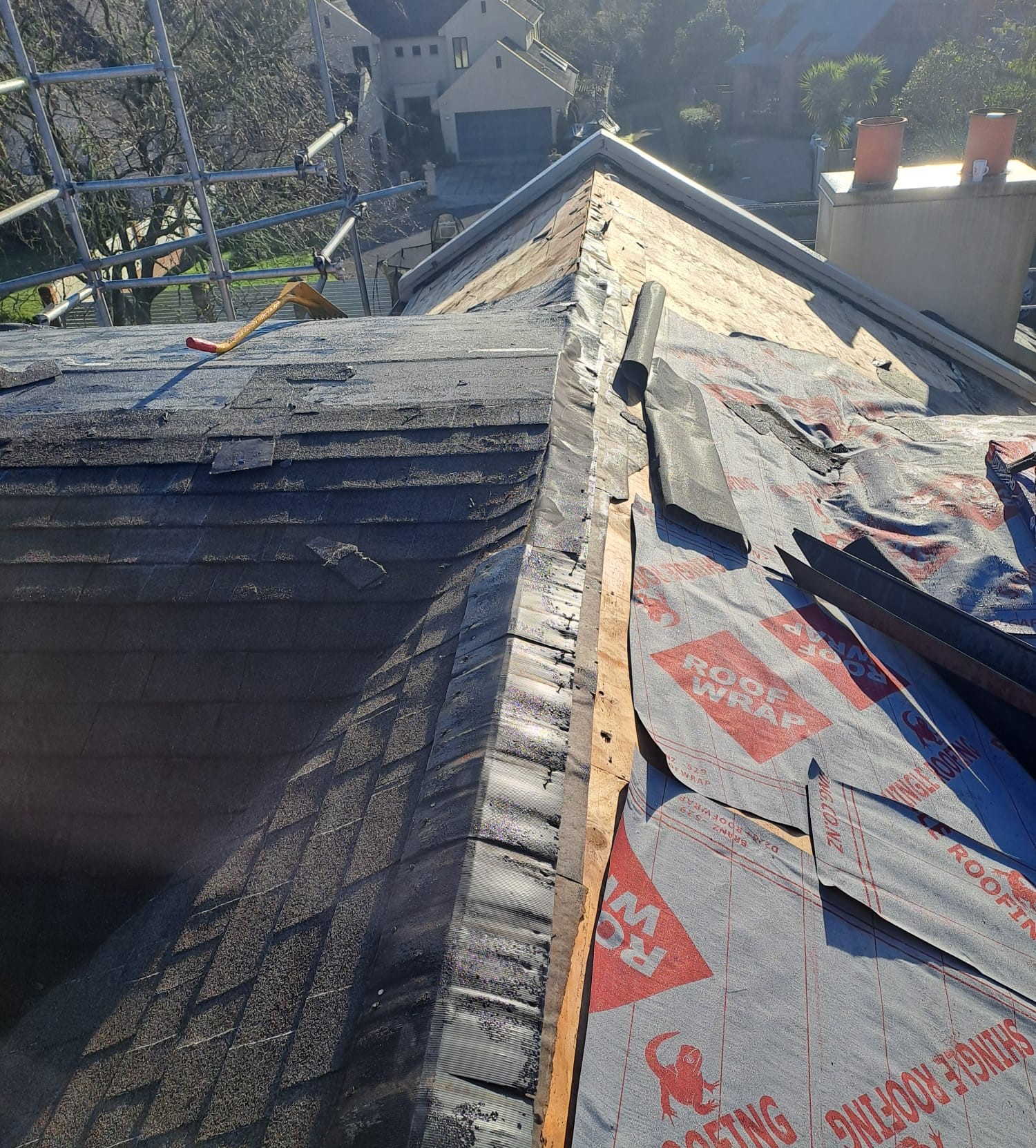
Roof underlay is the secondary weather barrier installed beneath your roofing material — tiles, shingles, or long-run steel. If wind-driven rain, condensation, or the odd failed fastener lets water past the roofing itself, the underlay is what stops it reaching the timber framing and insulation underneath. It's required under virtually all modern NZ roofing, whether you're re-roofing an existing home or building new.
Synthetic vs Building Paper (Kraft/Absorbent)
Traditional kraft or absorbent building paper has been used under NZ roofs for decades. It's the cheapest option, but it absorbs moisture rather than shedding it, degrades with repeated wetting and drying, and can sag or tear if the roofing isn't fitted promptly after installation. Modern synthetic underlay — including the Ventia Iron Roof & Wall Underlay and the heavier-duty Ventia Iron Roof & Wall Underlay 2.74m x 36.5m (100m²) | NZ — is woven rather than absorbent, sheds moisture instead of soaking it up, stays UV-stable for weeks if the roof isn't closed in straight away, and generally comes with a longer manufacturer warranty than paper ever did. That combination is why synthetic has become the standard choice on most Auckland re-roofs, even though the material cost is higher.
Self-Supporting vs Needing Sarking/Support
Self-supporting underlay is engineered to span the gap between purlins or rafters without sagging, which matters on roofs that don't have a continuous solid substrate (sarking) behind the underlay. Other underlay is designed to sit against solid sarking rather than span open gaps on its own. Which one your roof needs comes down to how it's framed — it's exactly the kind of thing a roofing installer checks during inspection rather than something to guess at from the product description alone. On metal roofs specifically, Ventia's self-adhesive underlay is a strong option around laps and penetrations where a secure, sealed fit matters more than spanning distance.
Choosing by Roof Type
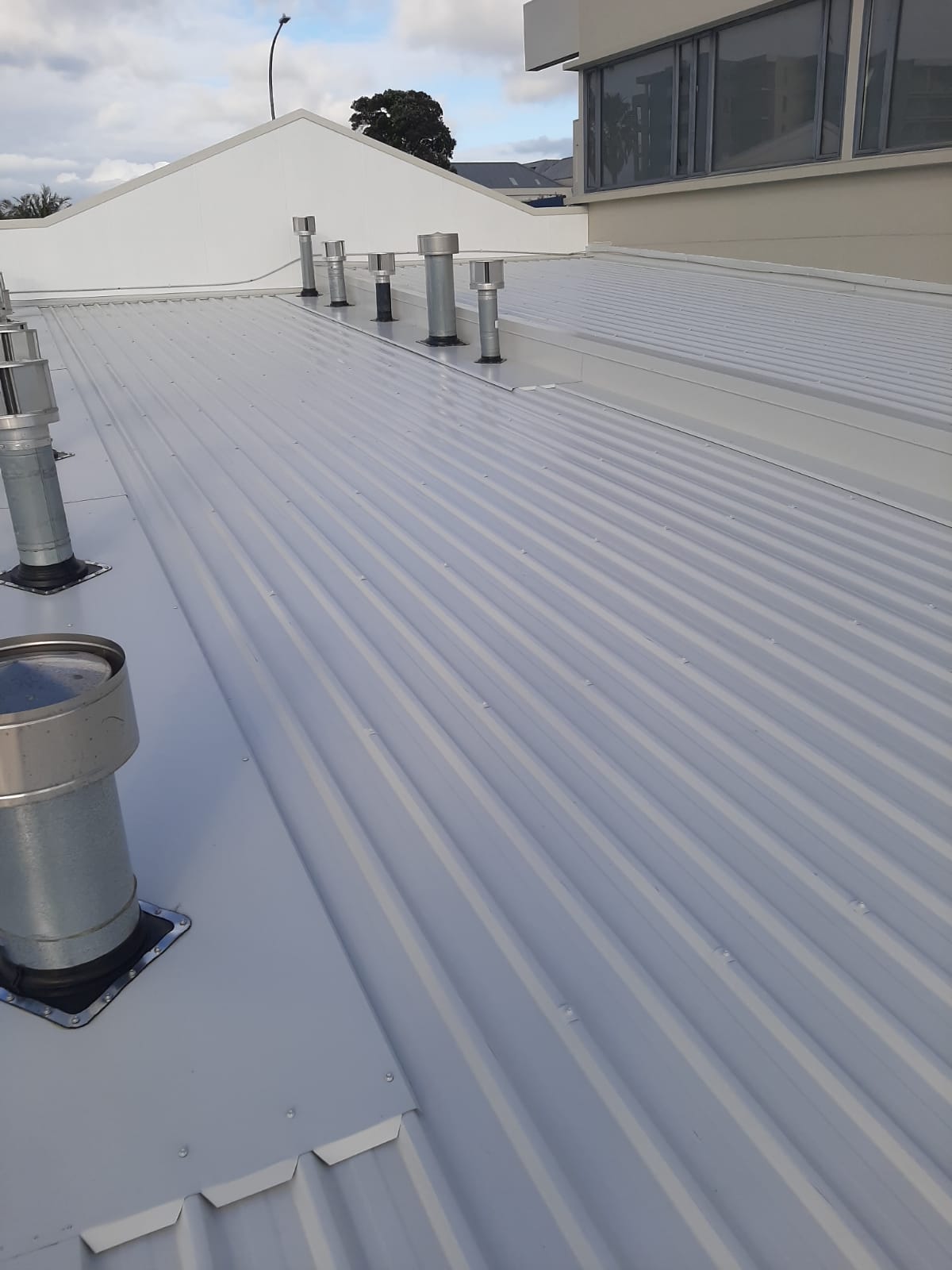
Metal and long-run steel roofs are particularly prone to condensation forming on the underside of the roofing sheet, so they benefit from an underlay built for that — the VENTIA METAL Roof & Wall Underlay with its integrated drainage mat is purpose-built to manage that moisture, paired with the self-adhesive underlay around penetrations. If you're re-roofing with Colorsteel, see our Colorsteel roof cost guide for the full process. For general roof and wall use outside of metal-specific condensation concerns — tile roofs, wall underlay, standard re-roofs — the Ventia Iron 100m² roll or the smaller 50m² roll cover most situations, sized to the job.
Vapour Barriers Explained
A vapour barrier (or vapour control layer) does a different job to roof underlay. Underlay handles weather coming in from outside; a vapour barrier manages moisture moving from inside the building — from everyday living, cooking, showers — into the roof or wall cavity, where it can condense and cause problems if it isn't controlled. VERSO VCL100 is built around airtightness, aimed squarely at stopping that internal moisture migration, while VERSO Reflex Plus adds a reflective layer on top of vapour control for extra thermal performance. Whether you need one at all depends on your insulation, ventilation and how airtight the rest of the build is — worth raising with your installer, especially on newer, tighter-built homes.
Flashing Tape
Underlay and vapour barriers only work as a system if the joints, laps and penetrations around them are properly sealed — that's the job of flashing tape. Vibest Super Pro Flashing Tape seals underlay laps, pipe penetrations and junctions so the whole weatherproofing layer works as one continuous barrier rather than a patchwork with gaps at every seam.
Get the Right Products for Your Roof
Not sure which underlay, barrier or tape your specific roof needs? Browse our full range in the shop, or if you're planning a full re-roof, our roof replacement team can specify and supply the right underlay system as part of the job.
Roof Underlay FAQ
Traditional building paper (kraft/absorbent paper) is cheaper but degrades faster, can sag or tear during construction, and has a shorter effective life. Modern synthetic underlay — like Ventia's range — is far more durable, stays UV-stable for longer if exposed before the roofing goes on, and typically carries a longer manufacturer warranty, which is why it's now the standard choice on most Auckland re-roofs.
Self-supporting underlay is designed to span between purlins or rafters without sagging where there's no continuous solid sarking behind it. Whether you need it depends on your roof's structure — a roofing installer can check this during inspection and recommend the right product for your framing.
A vapour barrier (or vapour control layer) manages moisture moving from inside the building into the roof or wall space — it's a different job from the roof underlay, which handles weather coming from outside. Whether you need one depends on your insulation, ventilation and climate zone; it's worth discussing with your installer, especially on newer, more airtight builds.
For long-run steel or Colorsteel roofs, VENTIA METAL Roof & Wall Underlay with its integrated drainage mat is purpose-built to manage the condensation that metal roofing is prone to, and Ventia's self-adhesive underlay is a strong option around penetrations and laps. For general roof and wall use beyond metal-specific condensation control, the standard Ventia Iron range covers most situations.
Shop Roof Underlay & Weatherproofing Accessories
Ventia and VERSO underlay, vapour barriers and flashing tape — in stock and ready to ship across NZ.