Your roof is one of the hardest-working parts of your home. Day after day, it shields your family from Auckland’s unpredictable weather, from scorching summer UV rays to winter storms that roll in off the Tasman. But like everything, roofs don’t last forever. Knowing when to replace yours can save you thousands of dollars in water damage repairs and give you peace of mind for decades to come.
How Long Does an Auckland Roof Last?
The lifespan of a roof depends significantly on the material used and the quality of the original installation:
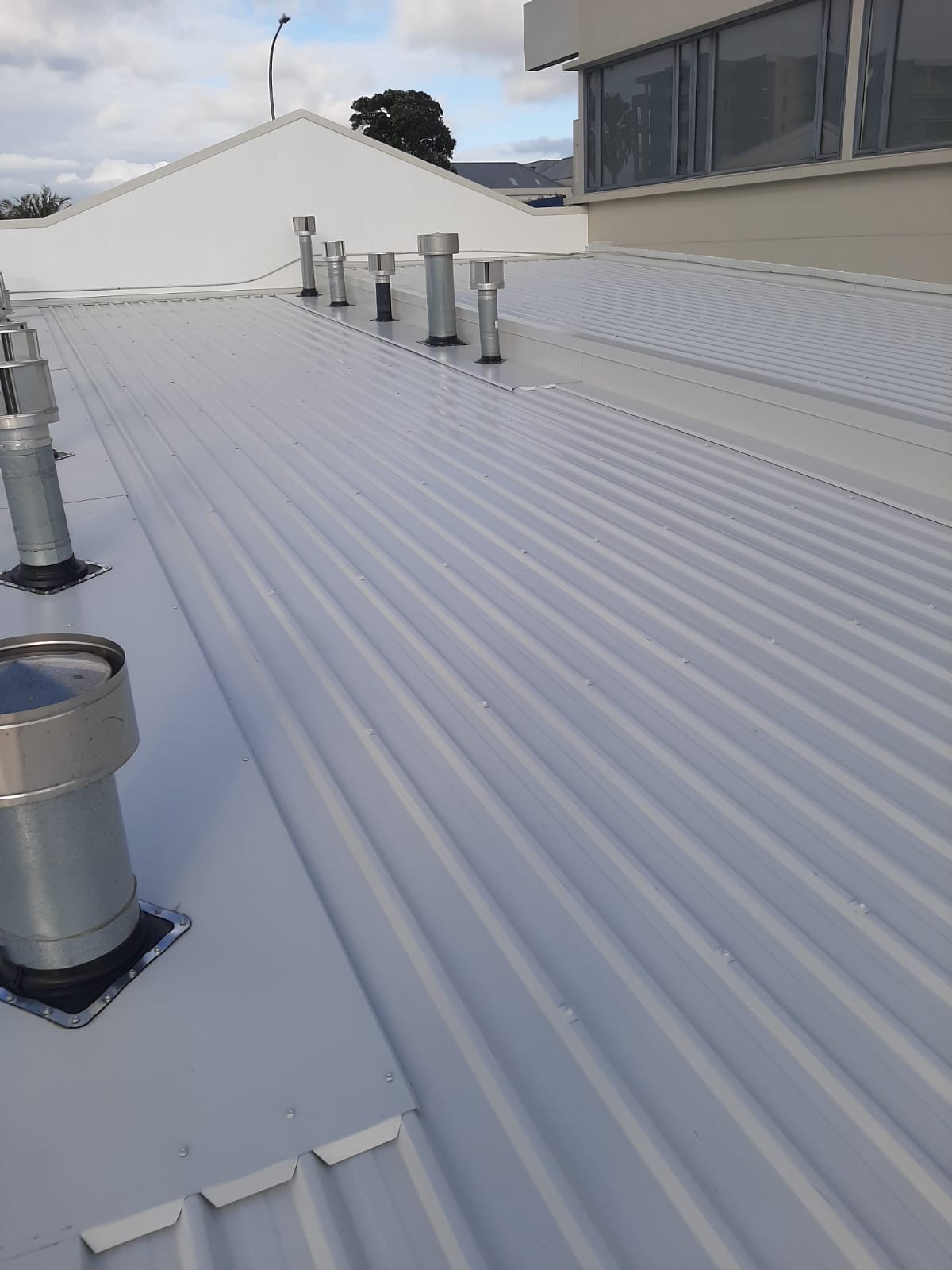
- Corrugated Iron (Long Run Steel): 30–50 years with proper maintenance
- Concrete Tiles: 30–50 years, though the pointing and sarking may need attention sooner
- Clay / Terracotta Tiles: 50–100+ years (the tiles themselves are extremely durable)
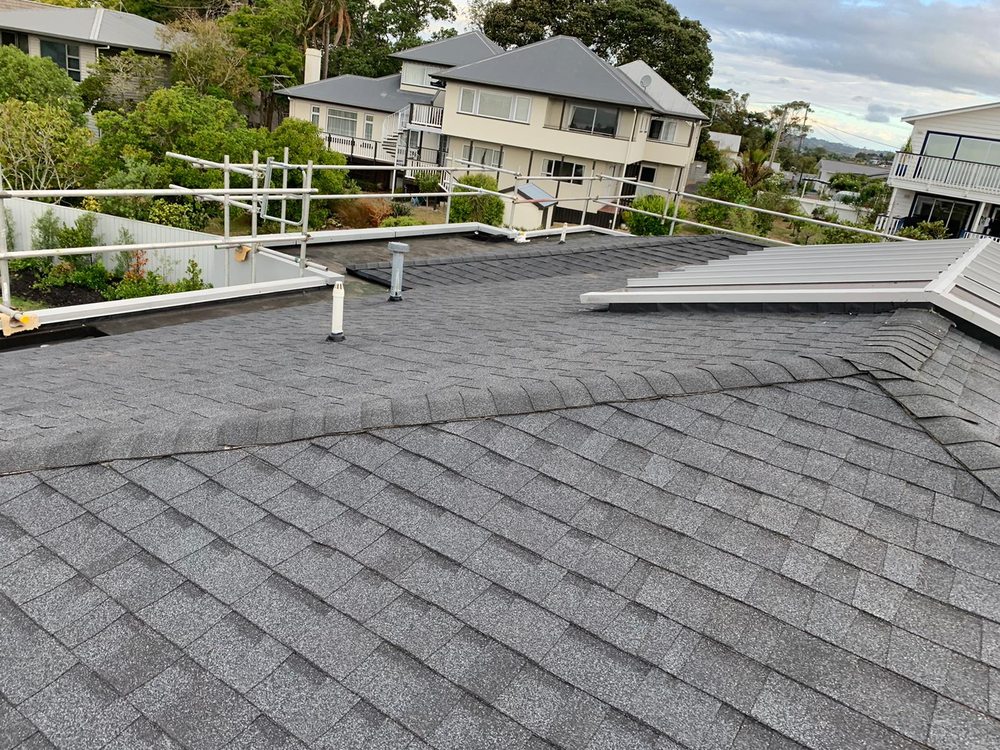
- Asphalt Shingles: 20–30 years
- Metal Tile (Decramastic): 25–40 years
- Membrane / Flat Roof: 15–25 years depending on the system
Auckland’s climate can accelerate ageing. The combination of UV exposure, salt air (particularly in coastal suburbs like St Heliers, Takapuna, and Devonport), humidity, and frequent heavy rain all take a toll. A roof near the coast may age 20–30% faster than one in an inland suburb.
8 Clear Signs It’s Time to Replace Your Roof
1. Your Roof Is Approaching or Past Its Expected Lifespan
If your corrugated iron roof is 40 years old, your asphalt shingles are 28 years old, or you’re not sure of the age but the roof “looks old,” it’s worth having a professional inspection. An ageing roof doesn’t necessarily need immediate replacement, but it warrants close monitoring and a plan.
2. Multiple or Recurring Leaks
One small leak repaired is normal maintenance. But if you find yourself calling a roofer every year (or every season) for a new leak, you’re fighting a losing battle. Multiple leaks across different sections of the roof indicate widespread failure of the roofing material or underlay, and at that point, repair costs can quickly add up to more than a replacement would cost.
3. Visible Daylight Through the Roof
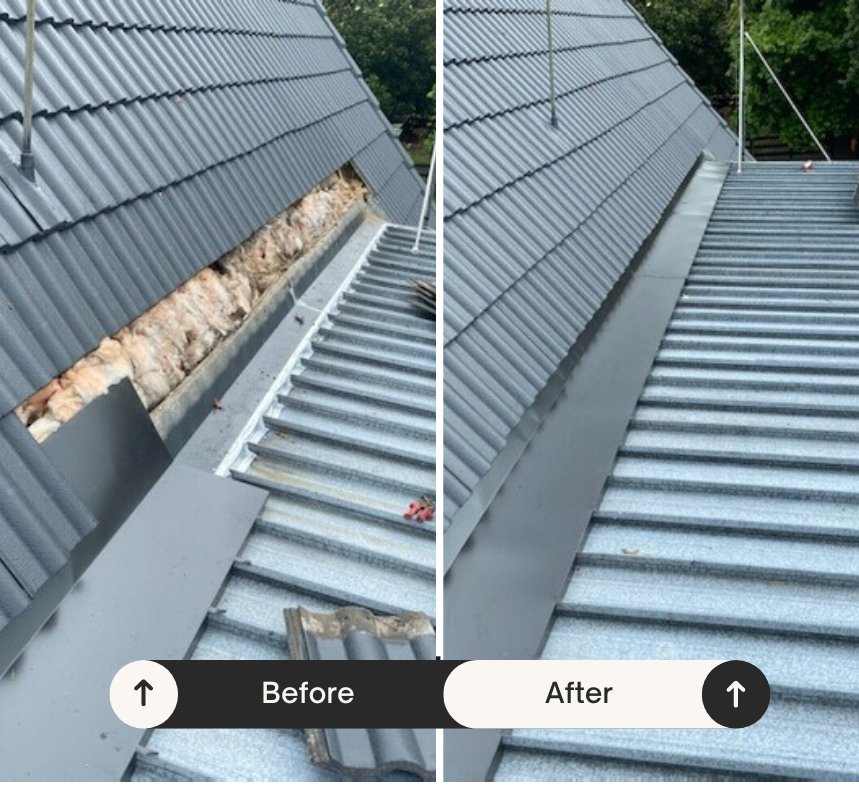
If you can stand in your ceiling space and see pinpoints of daylight through the roof decking or sarking, you have holes. These are direct pathways for water to enter your home and must be addressed urgently. While small areas can sometimes be patched, extensive daylight visibility usually means it’s time for a new roof.
4. Sagging or Uneven Roof Sections
A sagging roof is a serious structural warning sign. It may indicate that the decking has become wet and rotted, that the structural framing is compromised, or that the roof is simply carrying too much weight from accumulated debris or retained moisture. Sagging sections require immediate professional assessment.
5. Granules in Your Gutters (for Asphalt Shingles)
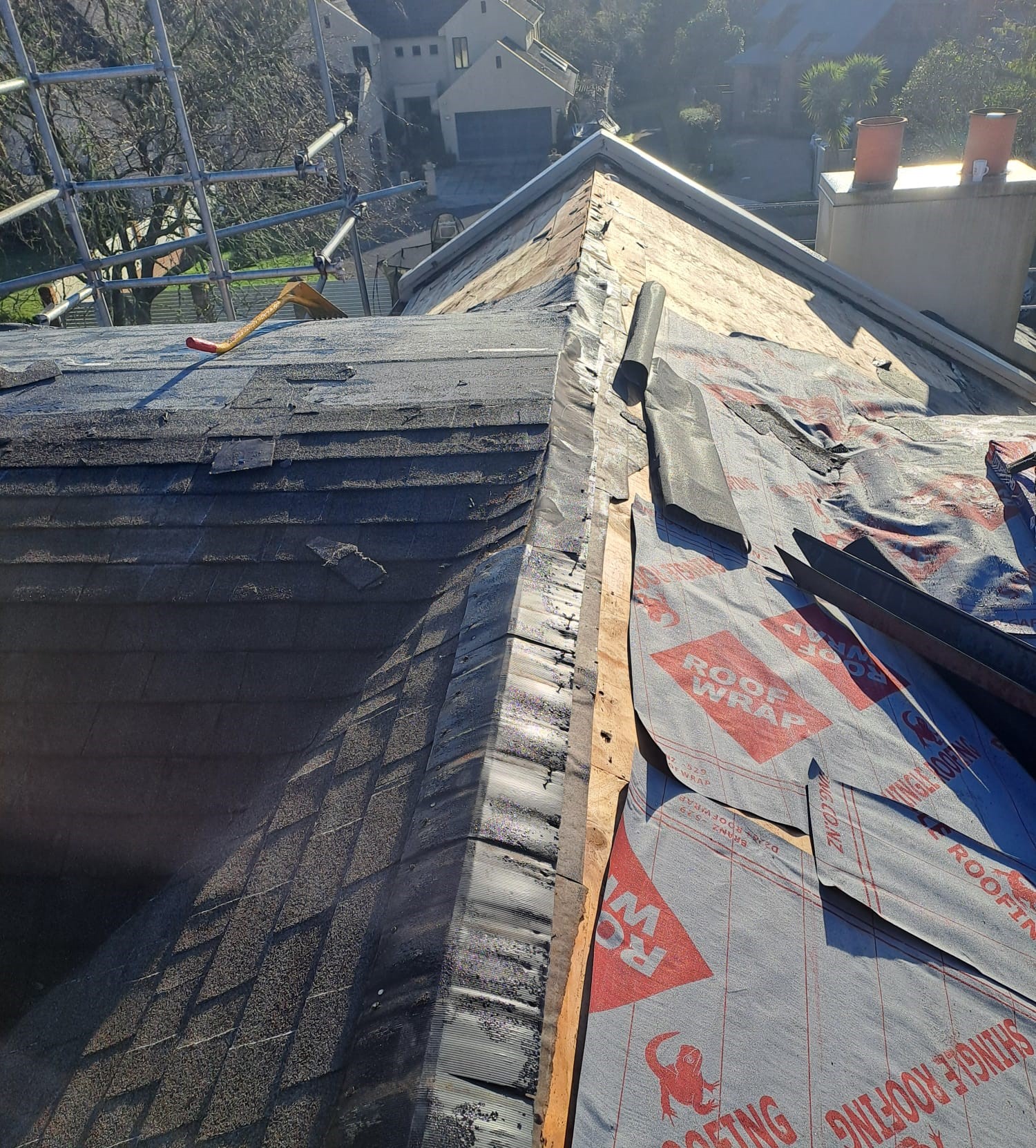
If you have asphalt shingles and notice gritty, sand-like granules accumulating in your gutters or downpipes, your shingles are reaching the end of their life. The granules are the UV-protective layer embedded in the shingle surface, when they wash away, the underlying asphalt is exposed to rapid degradation.
6. Widespread Cracked, Curled, or Missing Tiles
Individual cracked or broken tiles are a normal maintenance issue. But when you look at your roof and see widespread cracking, curling at the edges of tiles or shingles, or multiple missing tiles across various sections, you’re looking at systemic failure rather than isolated damage.
7. Failed or Deteriorated Underlayer (Sarking)
Even if the visible tiles look acceptable, the sarking (the waterproofing membrane beneath the tiles) can fail. Signs of sarking failure include water staining that can’t be traced to obvious tile damage, mould growth in the ceiling space, or a professional assessment revealing deteriorated underlay. A failed sarking means your visible roof covering is essentially sitting over nothing, the next leak is inevitable.
8. Significant Moss, Lichen, or Algae Growth
A little moss is a cosmetic issue. Extensive, thick moss and lichen coverage is a sign of long-term moisture retention on the roof surface, which accelerates wear and can cause tiles to crack during freeze-thaw cycles (relevant in higher altitude Auckland areas during winter). If a professional clean and treatment doesn’t resolve the issue, the underlying tiles may be too porous to maintain.
Repair vs. Replace: How to Decide
The general rule of thumb used by experienced roofers is this:
- If the roof has more than 25–30 years of useful life remaining and the damage is localised (under 20% of the roof area): Repair is usually the better value option.
- If the roof is approaching end-of-life, repairs have been frequent, or damage affects more than 20–30% of the roof: Replacement becomes more cost-effective over a 5–10 year horizon.
It’s also worth considering your plans for the property. If you’re planning to sell within 2–3 years, a new roof can add significantly more to your sale price than the cost of installation. If you’re renovating, it makes sense to replace the roof before doing internal work.
What to Expect from a Roof Replacement
At OneRoofing, we manage the entire process:
- Free On-Site Assessment: We inspect the roof thoroughly and discuss your options.
- Detailed Quote: You receive an itemised quote within 24 hours, with no hidden costs.
- Material Selection: We help you choose the right material, profile, and colour for your home.
- Professional Removal: The old roof is removed and disposed of responsibly (including asbestos materials where required).
- New Installation: We install your new roof to LBP standards with premium materials.
- Final Inspection & Warranty: We complete a thorough final inspection and hand over your 5-year workmanship warranty.
Most residential roof replacements take 2–5 working days. We work around the Auckland weather forecast and take all precautions to protect your home during the process.
Get a Free Roof Assessment
Not sure whether your roof needs repair or replacement? Our specialists provide free, no-obligation on-site assessments across Auckland, Northland, Wellington, Tauranga, and Waikato.
Call us on 022 196 9021 or request a quote online and we’ll have one of our licensed roofers out to assess your home and give you an honest recommendation, whether that’s a simple repair, targeted maintenance, or a full replacement.
We’ve been keeping Auckland homes dry for over 15 years, and we’d love to help with yours.
Need a Roofing Professional?
Get a free, no-obligation quote from OneRoofing. We service Auckland, Northland, Wellington, Tauranga and Waikato.