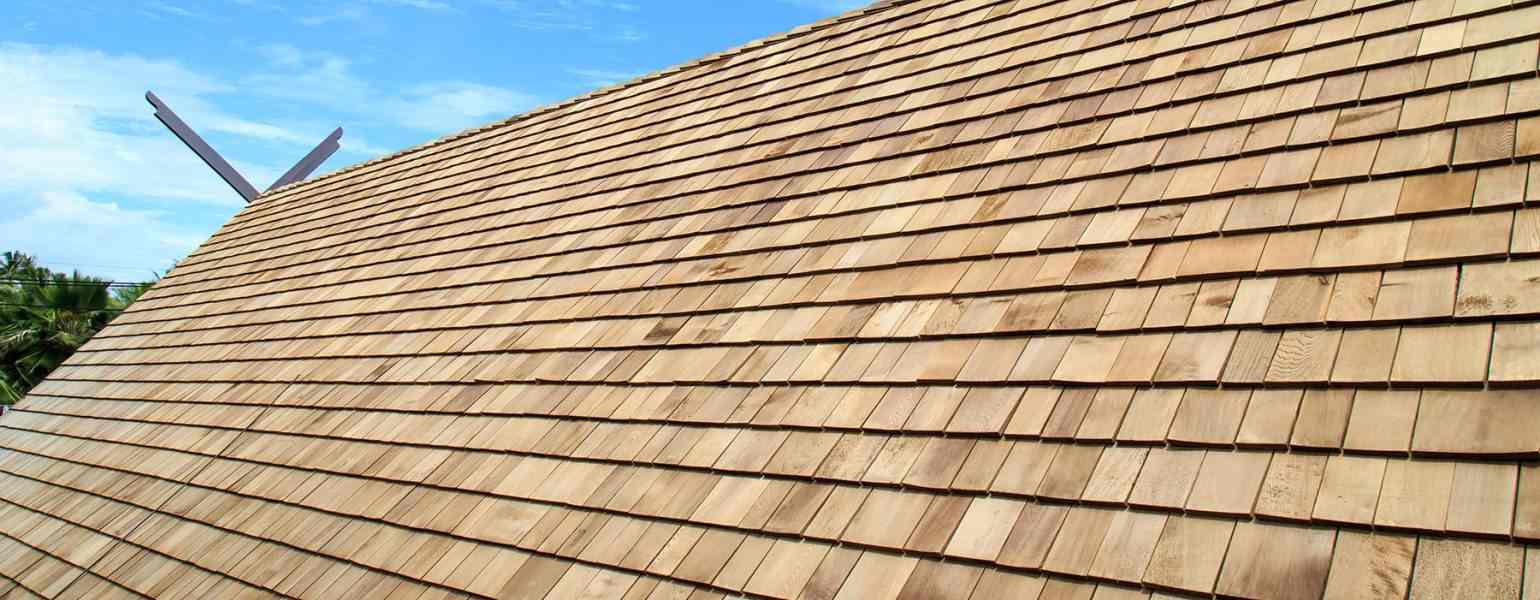
Timber Shingle Roofing
A timeless, beautiful, and sustainable roofing choice for character homes, baches, villas, and high-end architectural builds across Auckland and New Zealand.
Sustainably Sourced
FSC Certified Timber
Heritage Specialists
Council Overlay Compliant
25–40 Year Lifespan
With Proper Maintenance
LBP Licensed
Master Craftsmen
Character, Beauty & Natural Durability
Timber shingles and shakes remain a timeless and beautiful roofing choice for character homes, baches, villas, and high-end architectural builds across New Zealand. Their natural charm and organic warmth are simply impossible to replicate with synthetic materials.
Unlike heavy clay or concrete tiles, timber shingles are lightweight and put significantly less structural stress on older roof frames. Combined with their renewable origin and biodegradable nature, they represent one of the most environmentally responsible roofing choices available.
- Natural timber character providing authentic aesthetic warmth
- Lightweight compared to clay or concrete tiles — ideal for older homes
- Environmentally sustainable renewable material, responsibly sourced
- Flexible design options — smooth sawn finish or textured hand-split shake
- Excellent thermal insulation keeping homes warmer in winter
Heritage Overlay & Compliance
Many Auckland Council Special Character and Heritage Overlay zones require like-for-like replacement of timber roofing materials. Our team handles material sourcing, compliance documentation, and council liaison to ensure your project passes all inspections without delays.
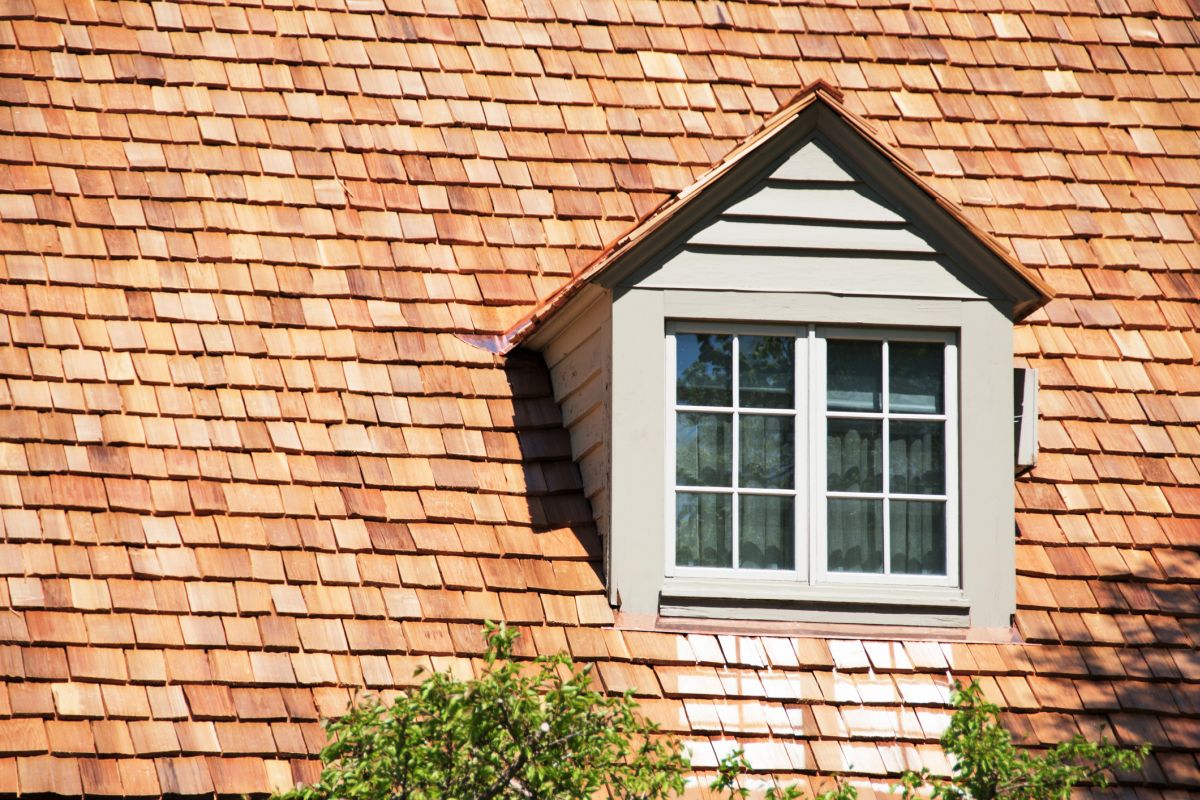
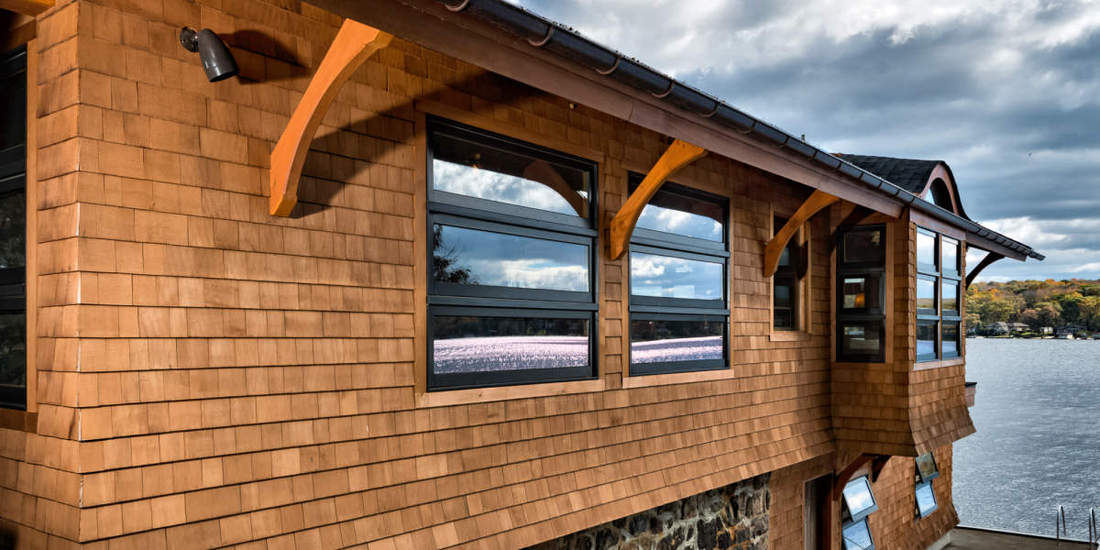
Nature's Roofing Solution
Discover why timber shingles remain the preferred choice for architects, restorers, and discerning homeowners across New Zealand.
Natural Character
Timeless Aesthetic
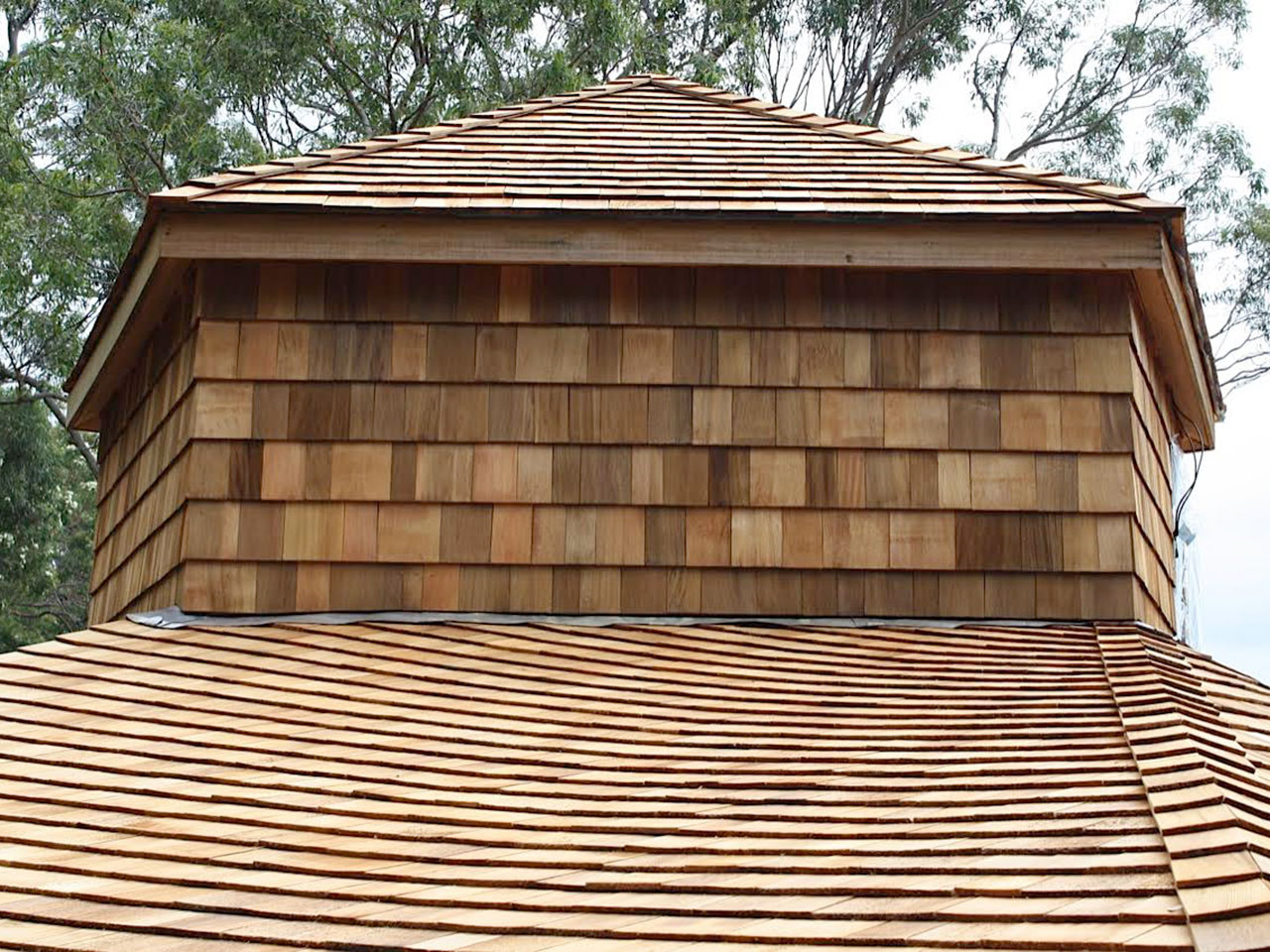
Timber shingles bring an organic warmth and authenticity to any roof. Each shingle is unique, giving character homes, baches, and villas a distinctive identity that synthetic materials cannot replicate.
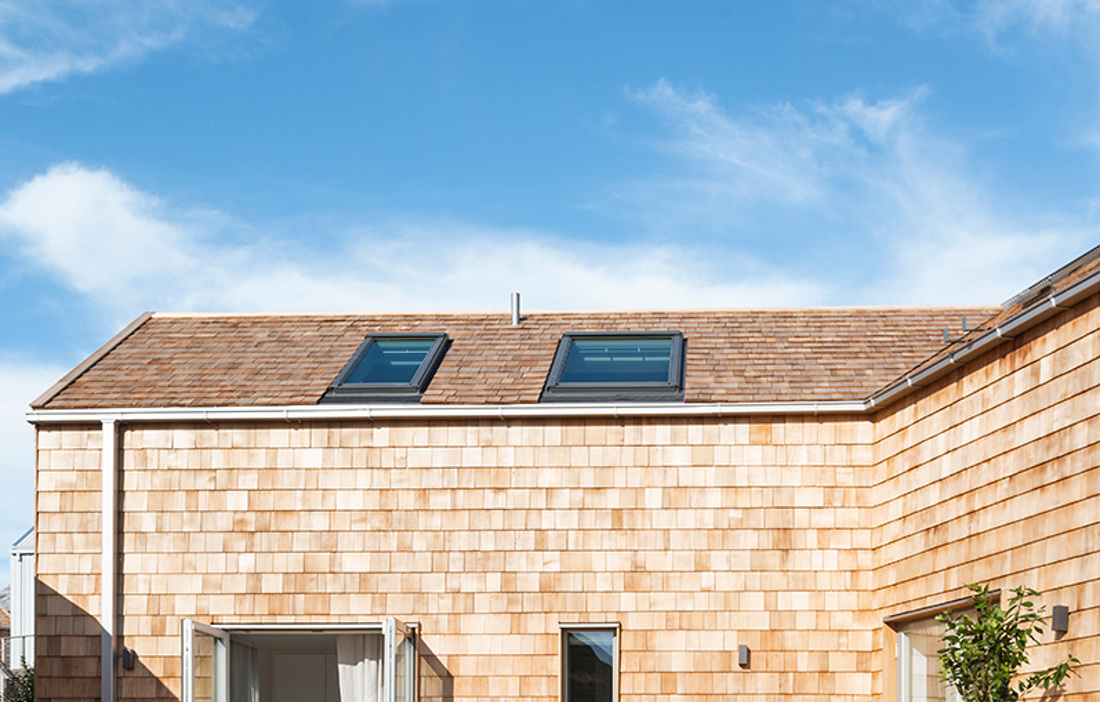
Lightweight Design
Structural Advantage
Timber shingles weigh significantly less than clay or concrete tiles, reducing structural load on roof frames. This makes them ideal for older villa and bungalow roof structures without the need for costly reinforcement.
Eco-Sustainable
Renewable Resource
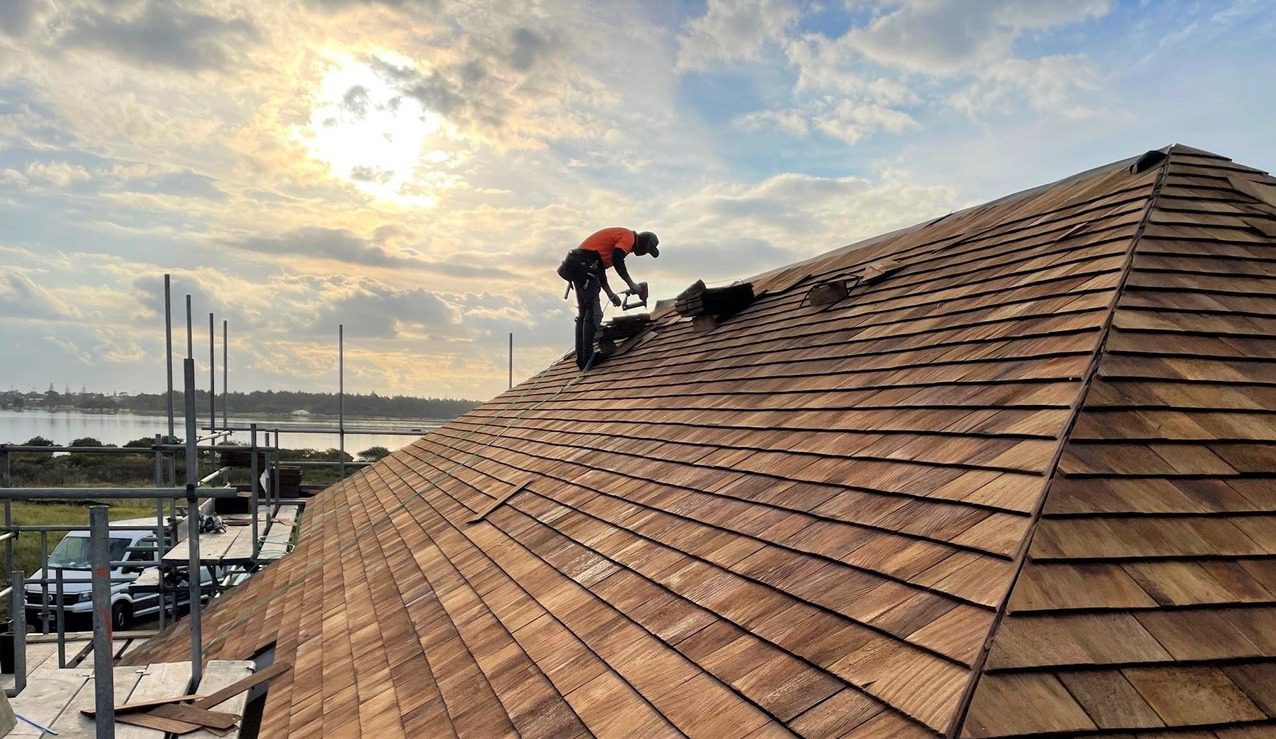
Timber is a naturally renewable building material. When sourced responsibly from sustainably managed forests, timber shingles carry a significantly lower carbon footprint than concrete tiles or steel profiles.
Flexible Design
Smooth or Textured
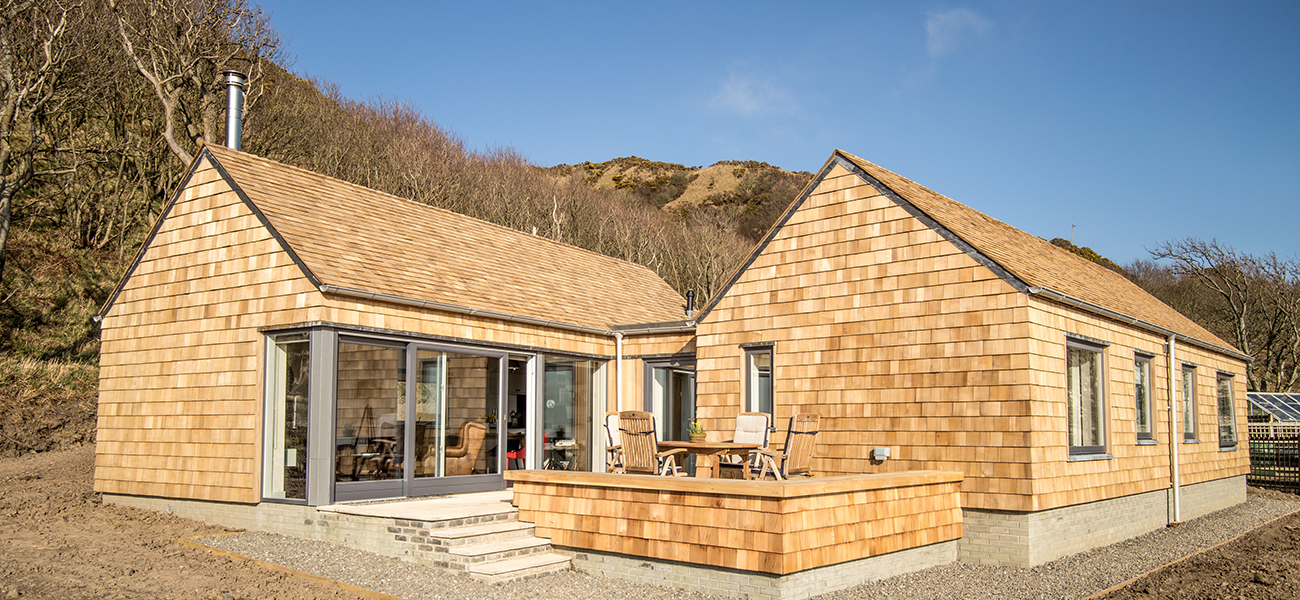
Timber shingles offer a choice between a smooth, sawn finish for a refined look or a rough-split shake texture for a rugged, traditional character. Both suit baches, cottages, villas, and high-end architectural builds.
Precision Timber Installation
A timber roof must breathe to last. Our strict installation sequence ensures correct airflow behind every shingle to prevent moisture damage over the decades.
Roof Inspection
Detailed assessment of pitch, structure, existing materials, and council requirements before work begins.
Deck Preparation
Removal of old roofing and installation of H3-treated plywood sarking for a flat, rigid base.
Breathable Underlay
Application of a vapor-permeable membrane that blocks rain while allowing the roof to release moisture vapour.
Batten & Breather
Installation of battens over a 3D nylon cedar breather mesh to create critical airflow behind each shingle.
Shingle Fixing
Each shingle is hand-fixed using stainless steel nails with precise exposure spacing for watertight coverage.
Timber vs Other Roofing Materials
| Feature | Timber Shingles | Clay / Concrete Tiles | Metal Roofing |
|---|---|---|---|
| Weight | Very lightweight | Heavy — needs strong structure | Light to medium |
| Appearance | Organic, warm, unique | Uniform, traditional | Modern, industrial |
| Thermal Insulation | Excellent natural R-value | Moderate | Low (needs insulation layer) |
| Sustainability | Renewable & biodegradable | High embodied carbon | Recyclable at end of life |
| Heritage Suitability | Ideal — council compliant | Often compliant | Rarely permitted in overlays |
| Lifespan | 25–40 years | 50+ years | 40–70 years |
| Noise | Quiet — absorbs rain sound | Quiet | Can amplify rainfall noise |
Timber Shingle Roofing FAQ
The most common timber used for shingle roofing in New Zealand is Western Red Cedar (Thuja plicata), prized for its natural resistance to moisture and insects. Other options include treated pine shingles and macrocarpa. Western Red Cedar remains the gold standard for longevity and appearance.
A quality timber shingle roof installed with proper breathable underlay and correct battening will last 25 to 40 years in New Zealand conditions. Regular maintenance such as biocide treatments, moss control, and periodic re-oiling significantly extends this lifespan.
Timber shingles are machine-sawn on both sides, giving a uniform, smooth, and tapered profile. Cedar shakes are hand-split on at least one face, resulting in a thicker, rougher, more rustic texture. Both use natural timber but deliver a different aesthetic — shingles for refinement, shakes for rugged character.
Yes, timber shingles require more ongoing maintenance than metal. We recommend a professional inspection and biocide wash every 3 to 5 years, plus re-oiling every 5 to 7 years. However, the organic beauty, thermal performance, and character of a timber roof is unmatched by any metal alternative.
Yes, when installed correctly over a breathable underlay with proper batten spacing, timber shingles perform well in Auckland's climate. Correct airflow behind each shingle is critical to prevent moisture retention. Our team uses the correct breathable membrane and cedar breather mesh to ensure maximum roof longevity.
Install Timber Shingles the Right Way
Reach out to our timber roofing specialists today for a free, no-obligation site assessment and quote. We service Auckland and all major NZ regions.