Quick answer: NZ homeowners should inspect their roof twice yearly (autumn and spring), clean gutters 2–3 times annually, treat moss every 2–3 years, and schedule a professional inspection every 12–18 months. Early maintenance prevents 80% of costly repairs.
Proactive roof maintenance is the most cost-effective roofing investment you can make. The difference between a homeowner who maintains their roof and one who waits until damage is visible is often tens of thousands of dollars in repair costs over a 10-year period.
This checklist is designed for NZ conditions — Auckland’s UV and humidity, Wellington’s wind, Hamilton’s heat and frost, and the coastal salt-air environments across the country.
Why Roof Maintenance Matters in NZ
New Zealand’s climate creates specific challenges for roofing systems:
- Auckland: High humidity, UV intensity, periodic coastal salt air in waterfront suburbs
- Wellington: Extreme wind exposure stresses flashings, fixings, and ridge caps
- Hamilton/Waikato: High UV, frost cycles that stress cracked tiles, high humidity for moss growth
- Coastal NZ: Salt-air corrosion that accelerates aging of metal roofing and fixings
A well-maintained roof in NZ conditions performs significantly better and longer than a neglected one.
Seasonal Roof Maintenance Checklist
Autumn (March–May) — Pre-Winter Preparation
Autumn is the most important maintenance season. You want your roof in the best possible condition before Auckland’s winter rains and Wellington’s storms arrive.
What to do:
- Gutter clean: Remove leaves and debris accumulated over summer. Block gutters cause water backup under roofing in heavy rain — a leading cause of preventable leaks
- Downpipe flush: Run water through each downpipe to confirm it flows freely. A blocked downpipe can cause water damage to fascia boards and foundations
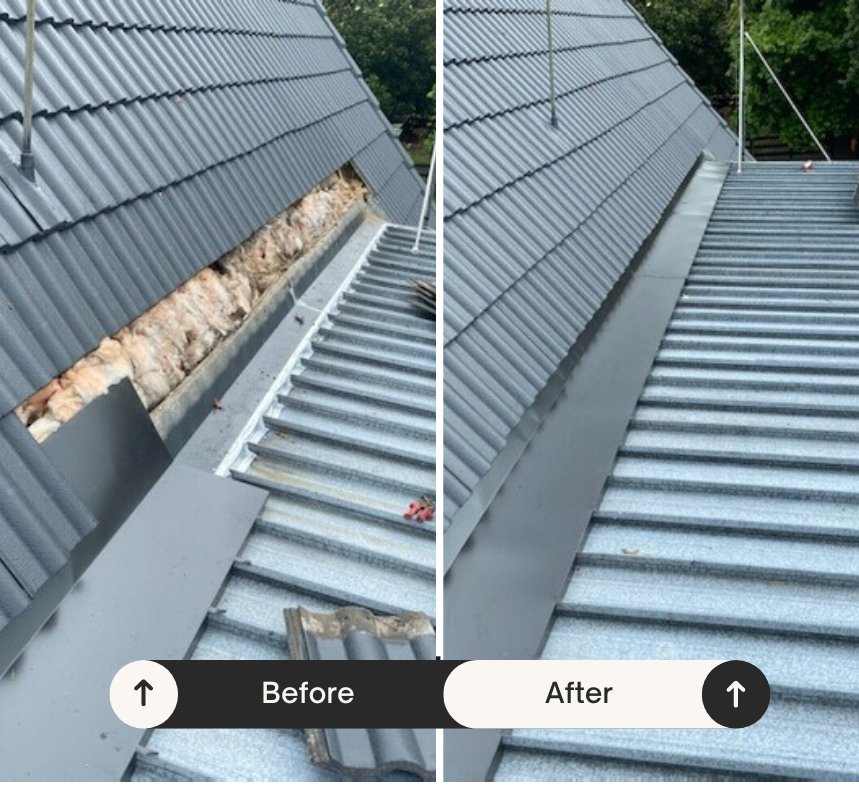
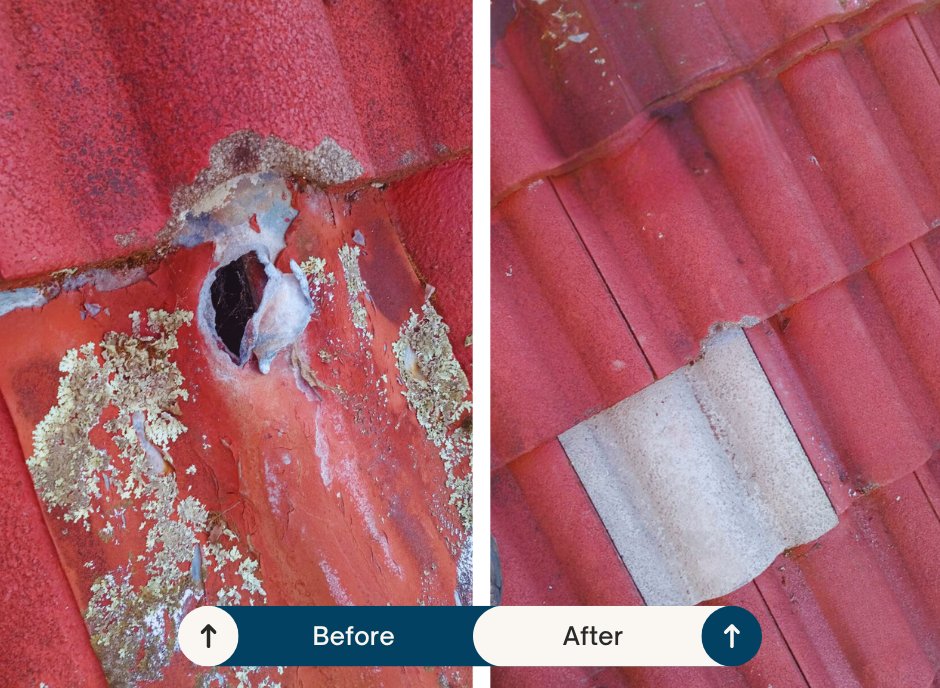
- Ground-level visual inspection: From ground level (use binoculars), scan for: cracked or lifting tiles, lifted or loose iron sheets, visible gaps in ridge capping, damaged or missing flashings
- Check ceiling space: After a heavy rain event, access your ceiling space and look for any signs of moisture, water staining, or daylight
- Trim overhanging branches: Branches that overhang the roof drop debris into gutters and can cause damage in high winds. Cut back to at least 500mm clearance from roof surface
Professional tasks to schedule:
- Roof inspection if any of the above reveals concerns
- Ridge re-check if more than 3 years since last inspection (mortar ridges particularly)
Winter (June–August) — Monitor & Respond
Winter is when roof problems become visible. Heavy rain events stress every weakness.
What to do:
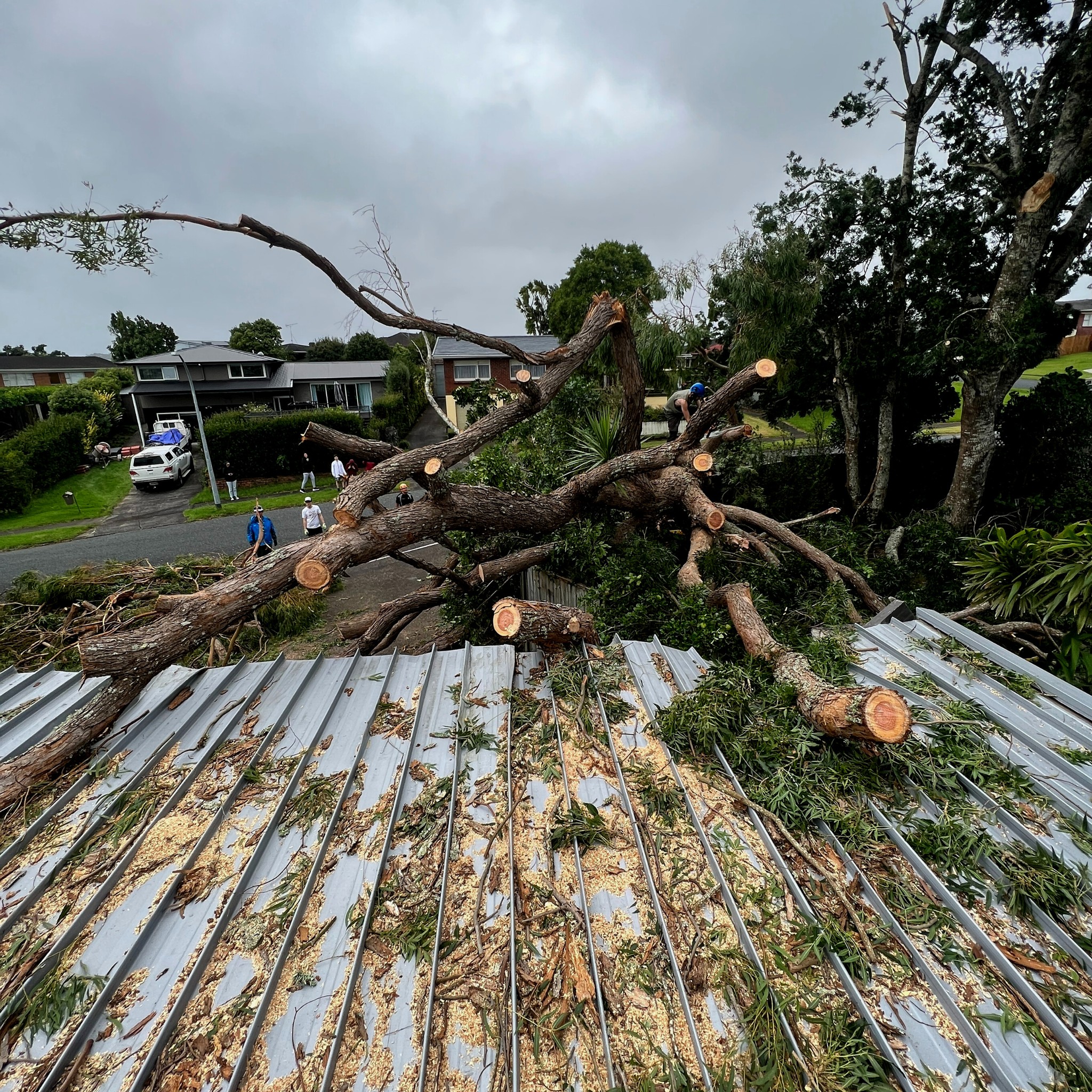
- Post-storm ground inspection: After any significant storm (heavy rain, strong winds, hail), inspect from ground level for new damage
- Check for new leaks: After major rain events, check ceilings and ceiling space for any new moisture
- Clear valleys after heavy leaf-fall: Valleys can block rapidly with autumn debris — a blocked valley can cause significant water backup
- Do not attempt roof access in wet conditions — wait for dry, still weather before any inspection or minor work
When to call a professional immediately:
- Active leak into the building
- Visible structural damage (sagging, large sections of damage)
- Exposed roof deck after storm damage
Spring (September–November) — Repair & Restore
Spring is ideal for addressing any damage from winter and preparing for summer’s UV intensity.
What to do:
- Full gutter clean: Clear any remaining winter debris
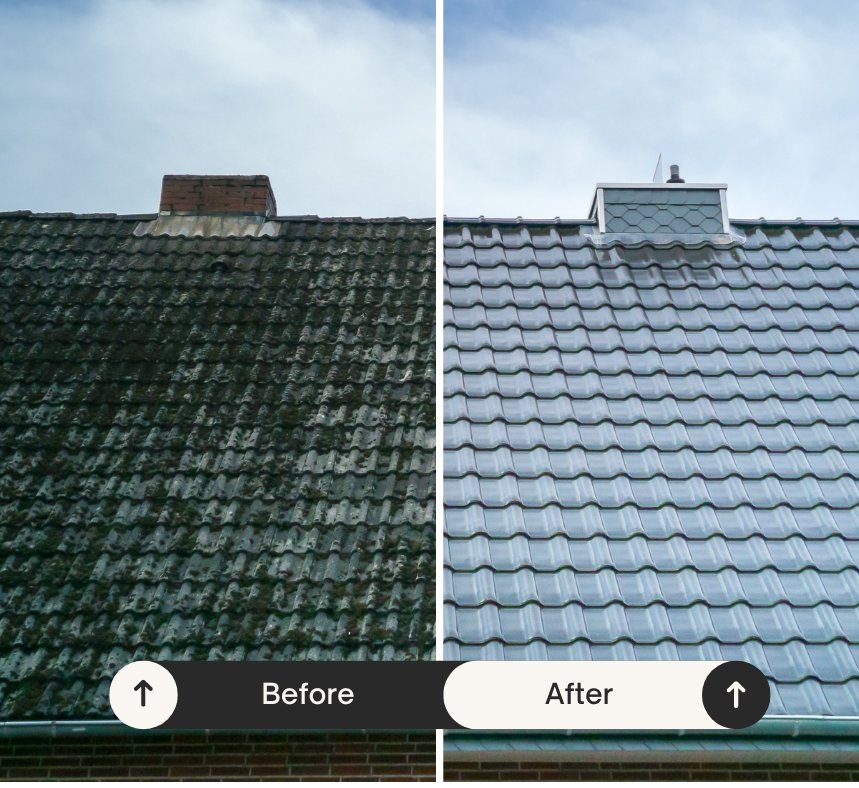
- Moss and lichen assessment: Look for green or black growth on the roof surface. If moss coverage exceeds 15–20% of the roof, treatment should be scheduled
- Schedule professional moss treatment if needed — spring is the optimal time (moss is actively growing and responds best to treatment)
- Inspect painted roofs: Check for peeling, chalking, or colour fade on any painted roof. A professionally applied roof coating has a 10–15 year lifespan
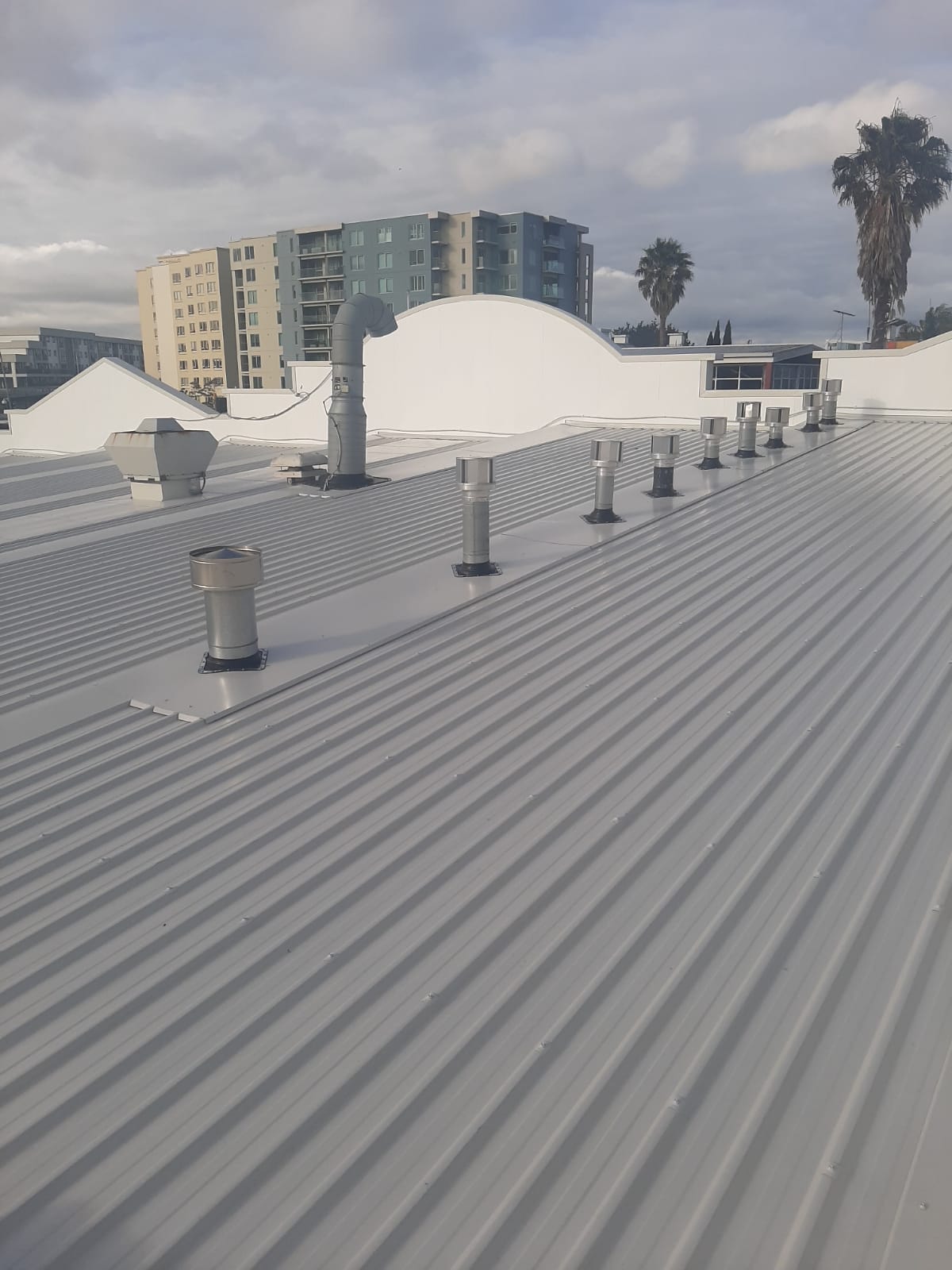
- Flashings check: After winter’s thermal movement, flashings around skylights, vents, and chimneys should be visually checked for lifting or cracking
Summer (December–February) — UV & Heat Management
Summer brings intense UV that degrades roofing coatings and bitumen-based products. It’s also the best season for major roofing work.
What to do:
- Schedule any major work: Summer’s dry weather and longer days make it ideal for roof replacements, re-roofs, and major repairs — book early as summer is peak season
- Check valleys after summer thunderstorms: Auckland’s summer storms can be intense; valley blockages from summer debris are common
- Assess painted surfaces: Note any UV-related fading or degradation for scheduling next season’s treatment
Annual Professional Inspection
Beyond your own seasonal checks, an annual professional inspection by a Licensed Building Practitioner provides:
- Safe close-up assessment (walking the roof with fall-arrest equipment)
- Valley and flashing checks not possible from ground level
- Sarking / underlay assessment from ceiling space
- Written condition report for insurance and records
- Early warning of approaching repairs — allows you to plan and budget
OneRoofing offers annual inspection visits across Auckland, North Shore, Northland, Wellington, Tauranga, and Hamilton.
Roof Maintenance Costs in NZ
| Maintenance Task | Typical Cost (NZD) |
|---|---|
| Professional roof inspection | $150–$400 |
| Gutter clean (professional) | $150–$350 |
| Moss treatment (chemical) | $500–$1,500 |
| Ridge re-point (if needed) | $800–$2,500 |
| Roof wash (professional) | $400–$900 |
Frequently Asked Questions
How often should gutters be cleaned in Auckland? 2–3 times annually is recommended for Auckland homes with overhanging trees. Autumn (pre-winter) and early spring are the most important times. Coastal and forested properties may need more frequent cleaning.
When is the best time to treat moss on a NZ roof? Spring (September–November) is optimal for moss treatment — the moss is actively growing and absorbs treatment effectively. A biocide treatment followed by a clean produces the best results.
Can I walk on my own roof to inspect it? Strongly not recommended. Every year, NZ homeowners are seriously injured falling from roofs during DIY inspections. Use binoculars from ground level, or pay a professional roofer to inspect safely with fall-arrest equipment.
Need a professional roof inspection or maintenance service? Call 022 196 9021 or book online. OneRoofing — keeping Auckland and NZ roofs in top condition.
Related Service
Roof Painting & Maintenance Auckland →Need a Roofing Professional?
Get a free, no-obligation quote from OneRoofing. We service Auckland, Northland, Wellington, Tauranga and Waikato.