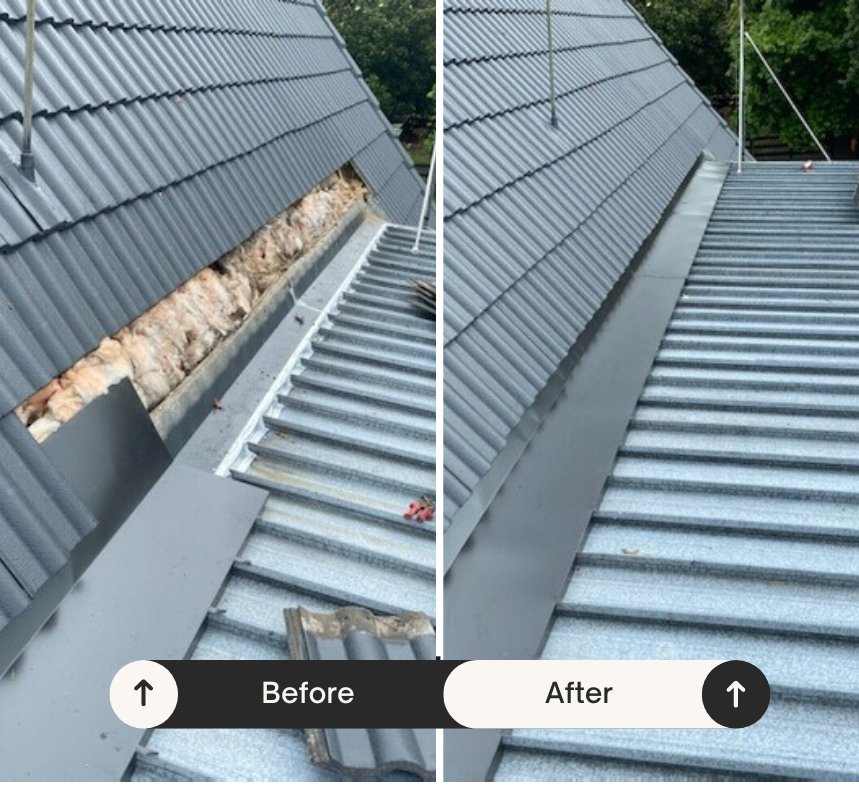
Quick answer: Minor tasks like gutter cleaning and ground-level debris removal are safe for homeowners. However, any task that requires getting on the roof — including replacing tiles, repairing flashings, or patching leaks — should be performed by a Licensed Building Practitioner. Falls from residential roofs cause serious injuries in NZ every year.
Not every roofing issue requires a full professional call-out. But the line between a safe DIY task and a job that needs a professional is often misunderstood — sometimes with serious consequences. This guide gives NZ homeowners a clear framework for what’s safe to do yourself and what to leave to the professionals.
What You Can Safely Do Yourself
✅ Gutter Cleaning (Low-Level)
Using a ladder to access single-storey gutters and remove debris by hand or with a gutter scoop is within most homeowners’ ability. Use a stable, footed ladder positioned correctly and have someone assist by steadying the base.
Safety: Never lean your ladder against the gutters themselves — use a stand-off bracket or position against a solid wall. Ensure the ladder is rated for your weight.
✅ Downpipe Flushing
Flush downpipes with a garden hose to confirm they’re flowing freely. Check for blockages at the base.
✅ Ground-Level Visual Inspection
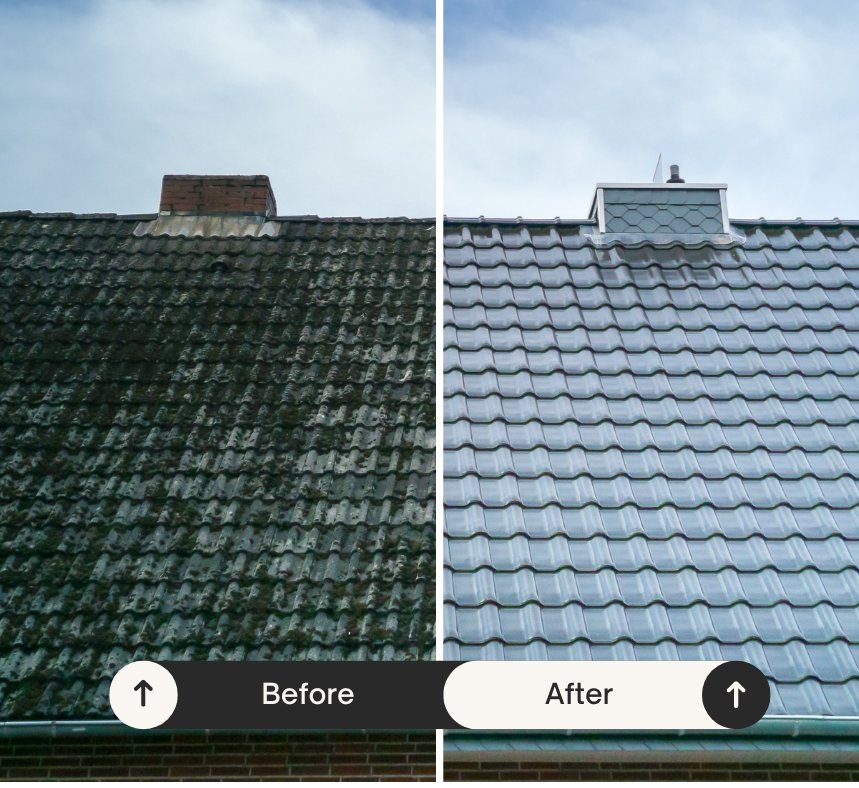
From ground level using binoculars, scan for: visible cracked tiles, lifted sheeting, debris in valleys, moss coverage. This gives you information to pass on to a professional — it doesn’t constitute a full inspection.
✅ Minor Exterior Sealing (Accessible from Ground)
Sealing gaps in exterior walls, vent covers, or penetrations that are accessible from a solid standing position (not a ladder) with appropriate silicone sealant.
What Should Always Be Done by a Professional
❌ Any Work on the Roof Surface
Walking on a tiled or metal roof without specialist fall-arrest equipment is acutely dangerous. Wet surfaces become extremely slippery. Even a low-pitched roof at 2.4m can cause fatal or seriously disabling falls.
Under NZ’s Health and Safety at Work Act 2015, any person working at height in a professional context is required to use appropriate fall protection. The same physical risks apply to homeowners.
❌ Replacing Broken or Missing Tiles
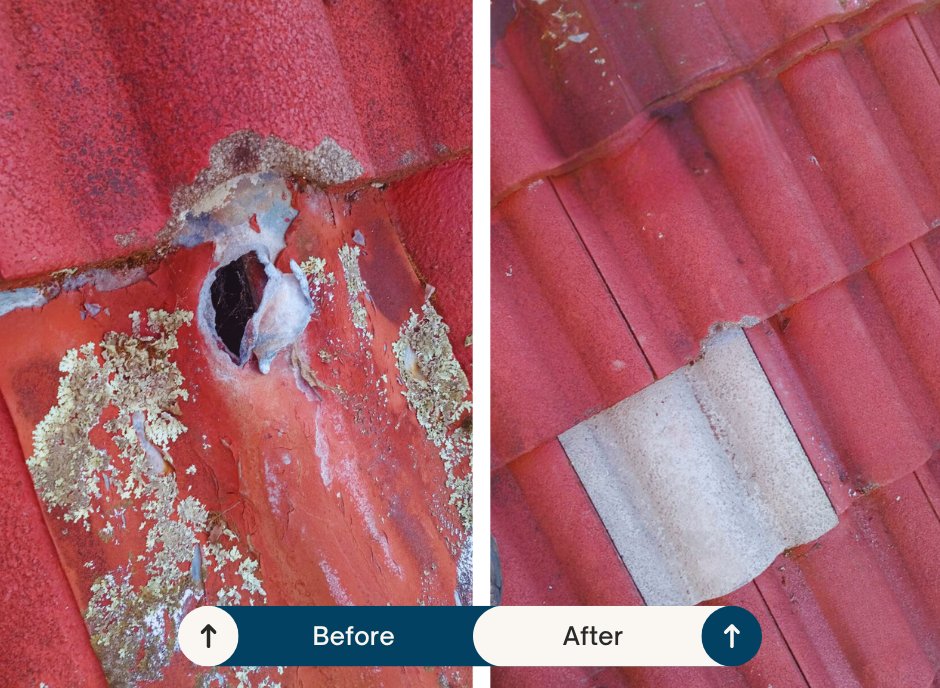
Requires walking the roof to access the damaged tiles. Also requires specialist knowledge of tile fixing systems.
❌ Repairing or Replacing Flashings
Flashings around chimneys, skylights, and wall junctions require careful access and specialist metal-forming skills. Poorly repaired flashings create leaks worse than the original damage.
❌ Any Leak Diagnosis
Leaks are rarely where they appear inside. Tracing a leak requires systematic inspection of the roof surface, penetrations, and underlay — all requiring safe roof access.
❌ Moss or Lichen Treatment
Professional moss treatment involves applying chemical biocides on the roof surface. This requires roof access with fall protection.
❌ Ridge Cap Work
Ridge caps sit at the highest point of the roof and require specialist access and mortar work.
Minor Roof Repair Costs in NZ
If you’re wondering whether a professional call-out is worth it for a small job:
| Small Repair | Typical Professional Cost |
|---|---|
| Single tile replacement | $200–$450 |
| Leak trace and minor patch | $250–$650 |
| Flashing repair (small section) | $350–$750 |
| Ridge re-point (small section) | $400–$900 |
| Gutter repair (small section) | $150–$400 |
These costs are modest relative to the risk and potential damage of DIY attempts on a roof.
The Real Cost of a Fall
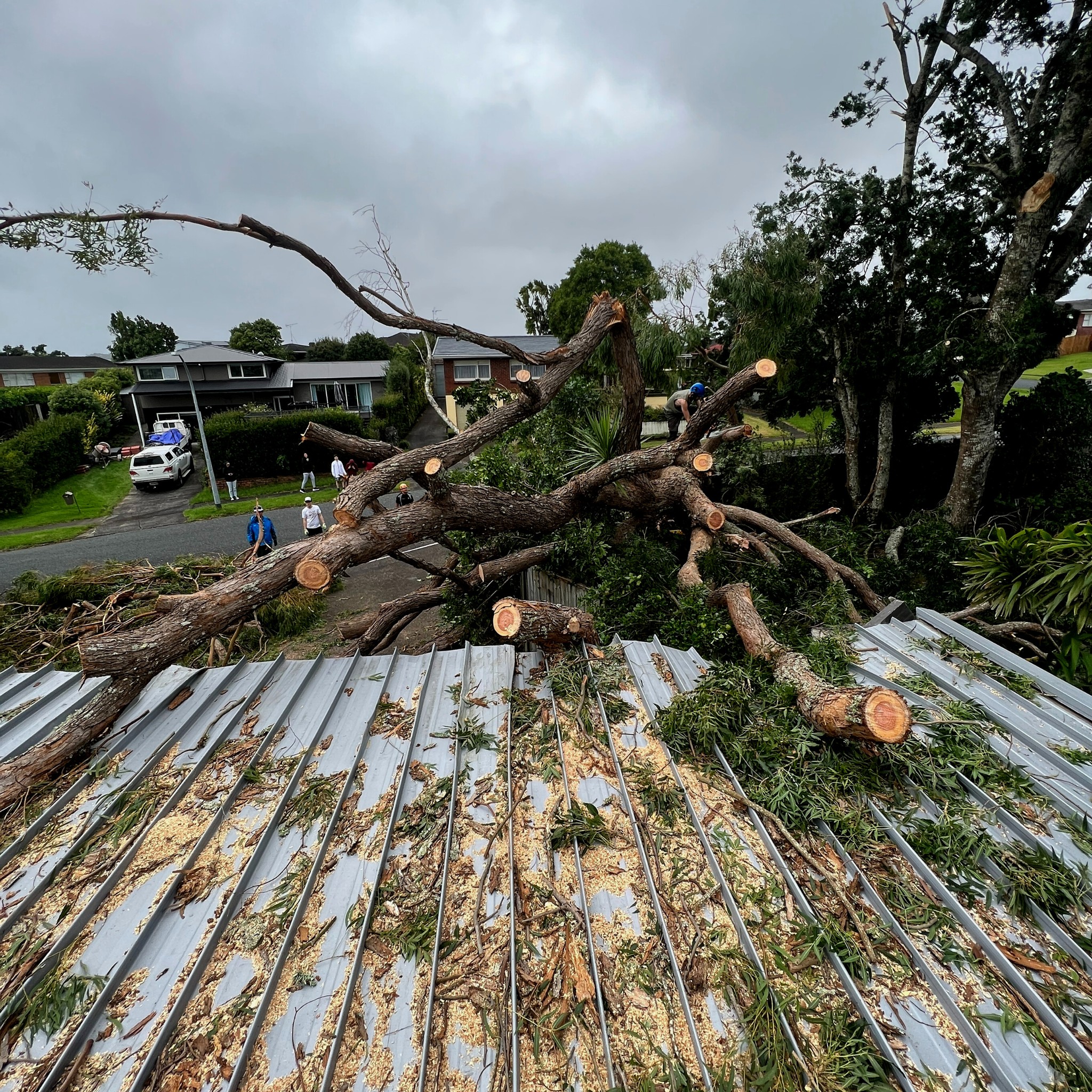
Every year, NZ homeowners are injured or killed falling from residential roofs during DIY maintenance. The risks include:
- Falls from as little as 2.4m can cause permanent disability
- Tile roofs provide no secure footing — loose tiles can shift under foot
- Metal roofs become extremely slippery when wet or damp
- Auckland’s moss-covered roofs are particularly hazardous
No gutter, no tile, and no repair is worth a serious injury. Professional roofers carry full fall-arrest harnesses, anchor points, and non-slip footwear precisely because roofs are dangerous working environments.
How to Make a Small Repair Call-Out Cost-Effective
If you’re calling a roofer for a small job, maximise the value:
- Note all concerns before they arrive — a list of issues to check while on site
- Ask for a full roof condition report — this gives you a maintenance plan for the next 2–3 years
- Bundle small jobs — if you have two minor issues, address both in one visit
- Request a maintenance quote — ask what other small issues they found and what it would cost to address them now
Frequently Asked Questions
Is it illegal to do your own roof repairs in NZ? Strictly speaking, roof work is restricted building work requiring an LBP. Homeowners doing their own work on their own home are in a grey area legally, but the safety risk is the primary concern — not the legal status.
How much does it cost to get a roofer out for a small job in Auckland? Most Auckland roofers charge $150–$350 for a call-out inspection plus repair cost. For jobs under $500, expect to pay roughly $300–$700 total.
Can OneRoofing handle small, one-off repairs? Yes. OneRoofing handles repairs of all sizes across Auckland, North Shore, Northland, Wellington, and Tauranga. Call 022 196 9021 and describe the issue — we’ll tell you what’s needed and what it costs.
Got a small roof issue? Don’t risk it — call OneRoofing on 022 196 9021 or request a repair quote online. Fast response across Auckland and NZ.
Related Service
Roof Repair Services Auckland →Need a Roofing Professional?
Get a free, no-obligation quote from OneRoofing. We service Auckland, Northland, Wellington, Tauranga and Waikato.